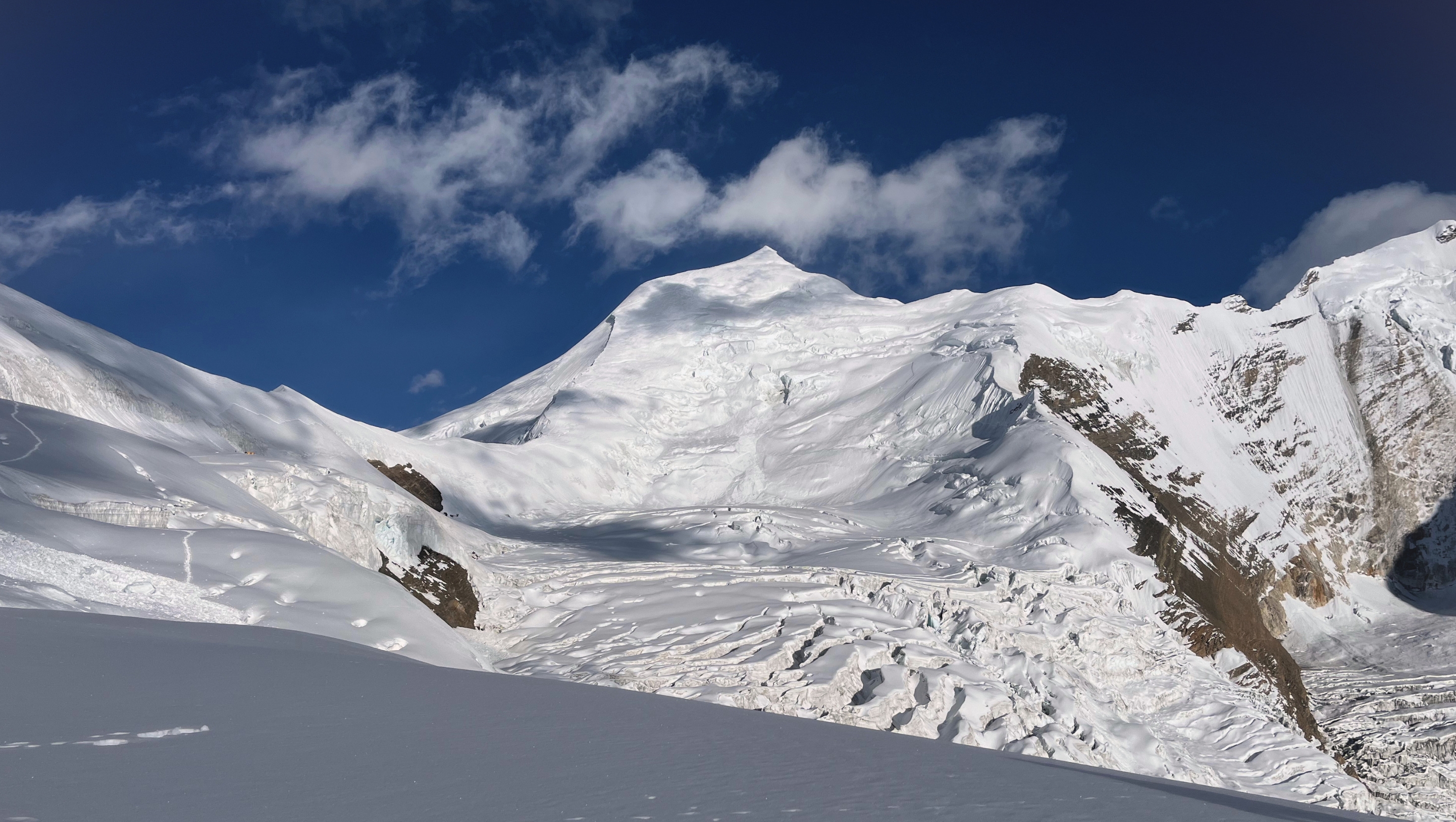
Himlung Himal Expedition: A Complete Guide to Climbing Nepal’s 7,126m Himalayan Peak
Climb Himlung Himal (7,126m) in Nepal’s remote Nar-Phu Valley with Alpinist Club. Explore the itinerary, climbing route, high camps, preparation, best season, expedition support, and everything you need for a successful Himlung Himal Expedition.
Standing at ‘’7,126 meters (23,380 ft)’’, Himlung Himal is one of Nepal’s most attractive 7,000-meter expedition peaks. Located in the remote ‘’Nar-Phu Valley’’, close to the Tibetan border, the mountain offers climbers a combination of high-altitude adventure, beautiful Himalayan scenery, glacier travel, and a relatively straightforward climbing route.
For mountaineers who have already climbed trekking peaks or 6,000-meter mountains and want to progress toward bigger Himalayan expeditions, the ‘’Himlung Himal Expedition’’ is an excellent next step. It provides valuable experience with fixed ropes, high camps, glacier travel, acclimatization, and expedition life without the extreme technical difficulty associated with many other 7,000-meter peaks.
Himlung Himal rises to 7,126 meters in the northern part of Nepal, within the remote Nar-Phu region between the Annapurna and Manaslu mountain areas.
The mountain was first successfully climbed in ‘’1992 by a Japanese expedition team’’, the same year the region was officially opened to foreign expeditions after previously being restricted.
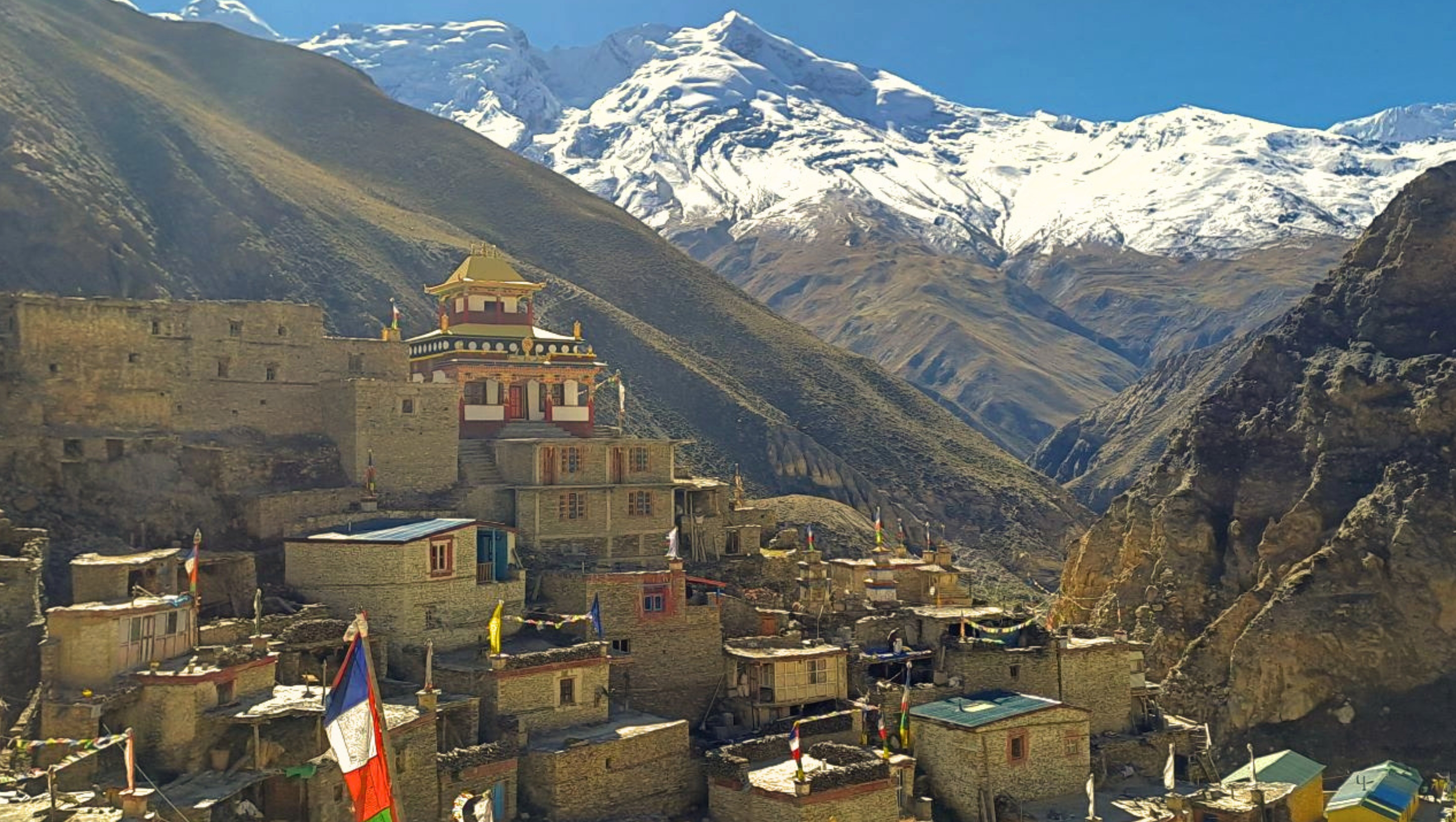
Even today, the journey to Himlung feels remote and adventurous. Unlike Nepal's busier climbing regions, the route passes through isolated Himalayan settlements, dramatic valleys, ancient Tibetan-influenced villages, monasteries, glaciers, and rugged mountain landscapes.
For this reason, the expedition offers much more than simply reaching a summit. It is also an opportunity to experience one of Nepal's most culturally and geographically unique mountain regions.
Why Climb Himlung Himal?
Himlung Himal is often considered a perfect progression mountain for climbers preparing for future ‘’8,000-meter expeditions such as Manaslu, Cho Oyu, or Everest’’.
Although no 7,000-meter mountain should be considered easy, Himlung has a comparatively straightforward standard climbing route.
The expedition allows climbers to develop experience in:
- High-altitude acclimatization
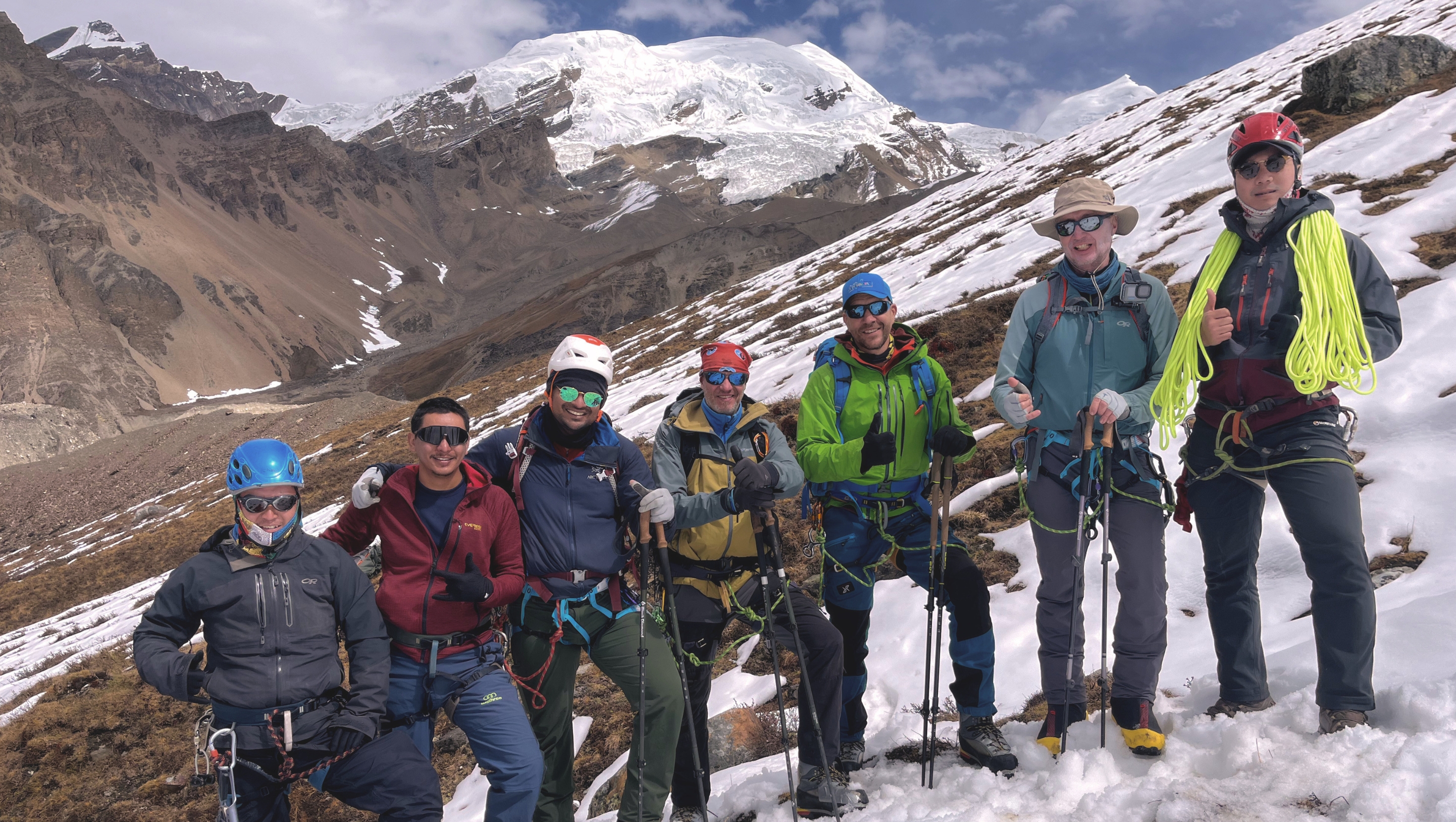
- Glacier travel
- Using crampons and an ice axe
- Ascending and descending fixed ropes
- Using ascenders and descenders
- Moving safely while wearing mountaineering boots
- Living at high-altitude camps
- Managing physical and mental fatigue above 6,000 meters
- Preparing for summit pushes in Himalayan conditions
The biggest challenge is usually not extreme technical climbing but the ‘’altitude, cold temperatures, endurance, and long days at elevation.
The Journey to Himlung Himal Base Camp
The adventure normally begins in ‘’Kathmandu’’, where the climbing team completes expedition preparations, equipment checks, permit procedures, and a final briefing.
From Kathmandu, the journey heads toward ‘’Besisahar’’, the traditional gateway to the Annapurna region.
The approach initially follows sections of the famous Annapurna Circuit before turning toward the isolated Nar-Phu Valley.
As the expedition moves deeper into the mountains, the landscape becomes increasingly dramatic. Climbers travel through narrow valleys, forests, rocky trails, traditional settlements, Buddhist monasteries, and high-altitude terrain.
Remote villages such as ‘’Koto and Phu’’ provide a fascinating look into the traditional lifestyle of communities living close to the Nepal–Tibet border.
Eventually, the team reaches ‘’Himlung Himal Base Camp at approximately 4,900 meters’’.
Base Camp becomes home for the main climbing period.
Himlung Himal Climbing Route
The standard route on Himlung Himal is considered relatively straightforward compared with many other Himalayan peaks of similar altitude.
After establishing Base Camp, climbers begin a series of acclimatization rotations between the higher camps.
Base Camp – Approximately 4,900m
Base Camp serves as the expedition headquarters.
Climbers spend several days here resting, acclimatizing, preparing equipment, practicing climbing techniques, and waiting for suitable conditions before beginning rotations to the higher camps.
A well-organized expedition Base Camp normally includes dining facilities, kitchen facilities, sleeping tents, communication equipment, charging facilities, medical supplies, and support staff.
Camp I – Approximately 5,350–5,450m
The first rotation takes climbers toward Camp I.
The terrain includes glacier, moraine, snow, and mountain slopes. Fixed ropes may be installed where additional protection is required.
Reaching Camp I helps the body begin adapting to sleeping above 5,000 meters.
Camp II – Approximately 6,000–6,150m
From Camp I, the route continues higher toward Camp II.
As climbers gain altitude, the environment becomes increasingly alpine. Snow and glacier terrain become more dominant, while oxygen levels decrease significantly.
Moving efficiently while conserving energy becomes increasingly important.
Camp III – Approximately 6,250–6,375m
Camp III is the final major high camp before the summit push.
By this stage, climbers are operating well above 6,000 meters, where recovery becomes slower and even simple activities require significantly more effort.
The team rests, hydrates, eats, prepares equipment, and waits for suitable weather before beginning the final climb.
Summit Day – 7,126m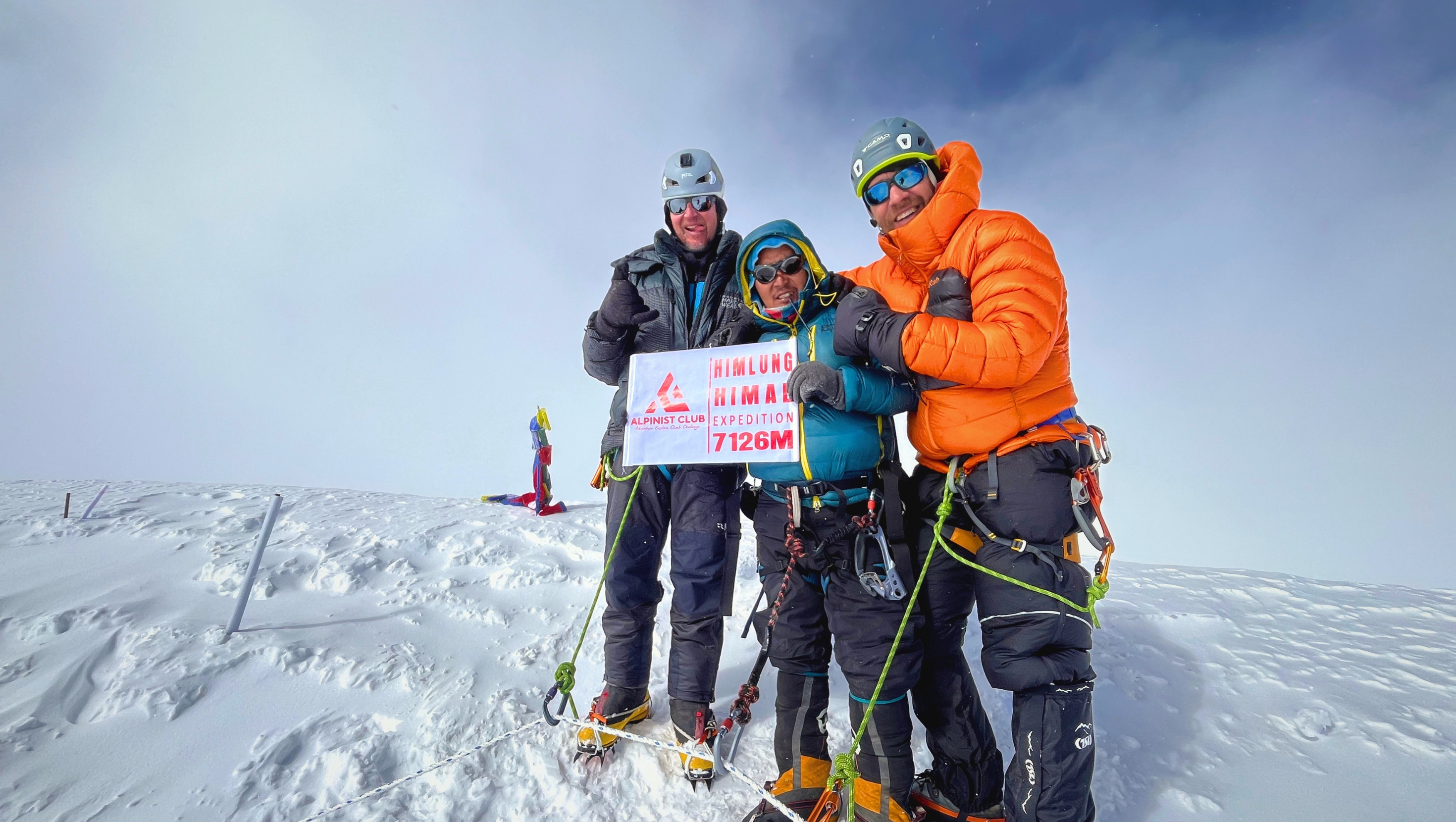
The summit push normally begins during the night or very early morning.
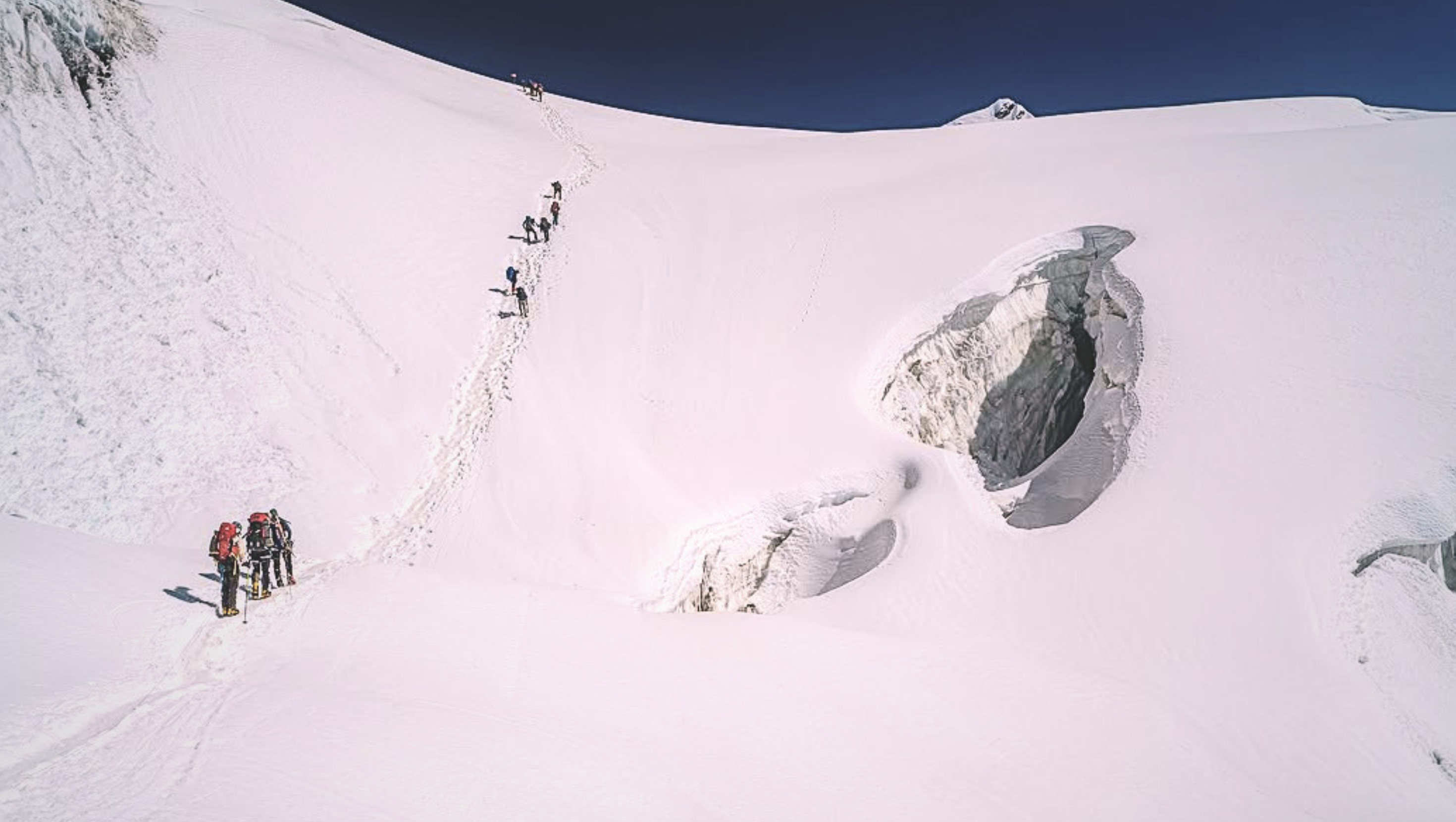
Climbers follow fixed ropes across snow and glacier terrain toward the upper slopes of Himlung Himal.
Much of the standard route involves moderate slopes, although the terrain becomes steeper closer to the summit.
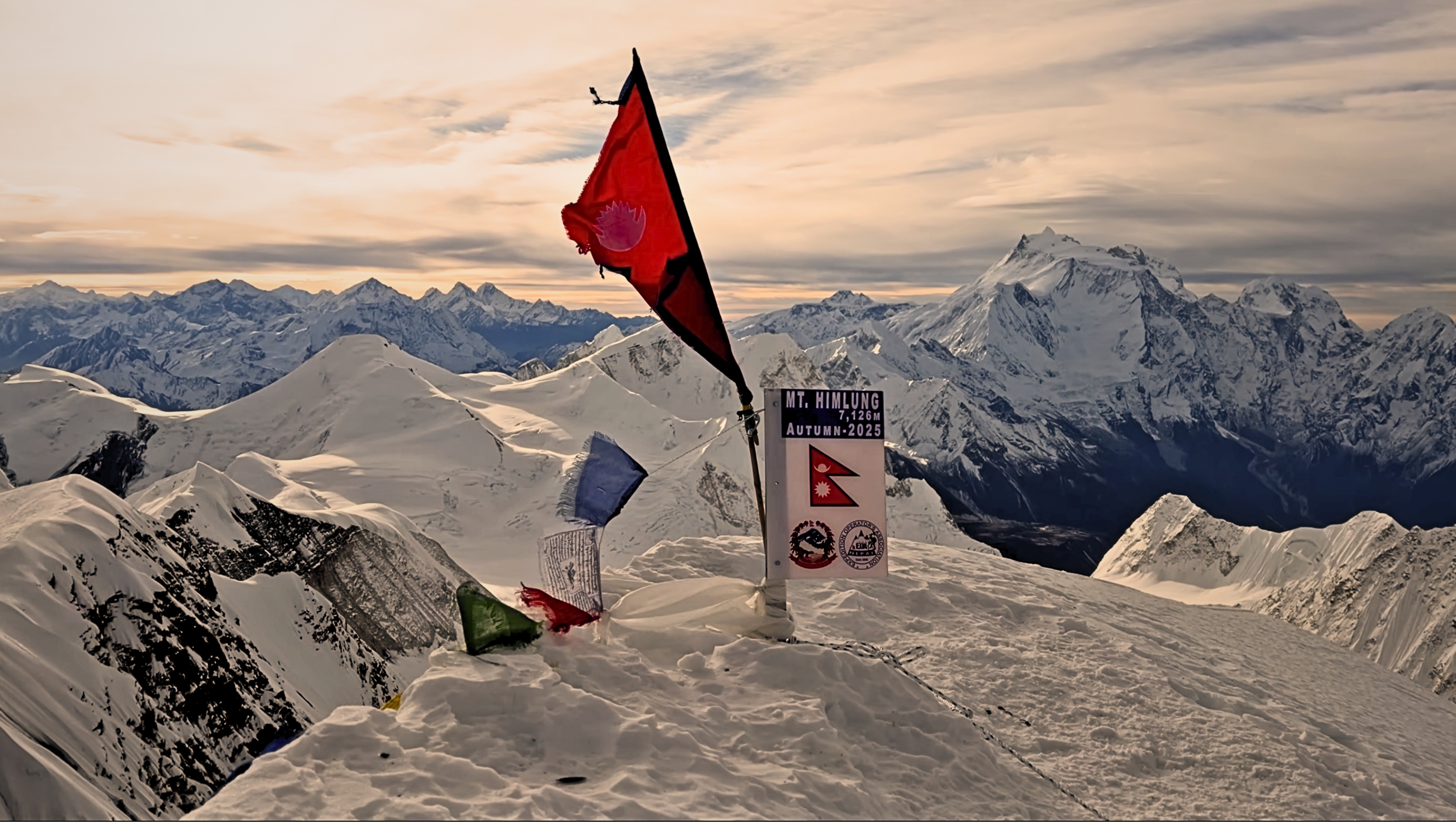
After several hours of climbing, successful climbers finally reach the ‘’7,126-meter summit of Himlung Himal’’.
From the summit, the surrounding Himalayan panorama is spectacular, with views across the remote mountain ranges bordering Nepal and Tibet.
However, reaching the summit represents only half of the climb. The team must descend carefully to the high camps and eventually return safely to Base Camp.
Who is this Expedition for?
Himlung Himal is generally categorized as a ‘’moderately difficult high-altitude expedition’’.
The standard route does not normally involve extremely difficult rock or vertical ice climbing. Instead, climbers face glacier travel, snow slopes, fixed ropes, cold temperatures, and prolonged exposure to high altitude.
Previous mountaineering experience is strongly recommended.
Climbers should ideally be comfortable with: 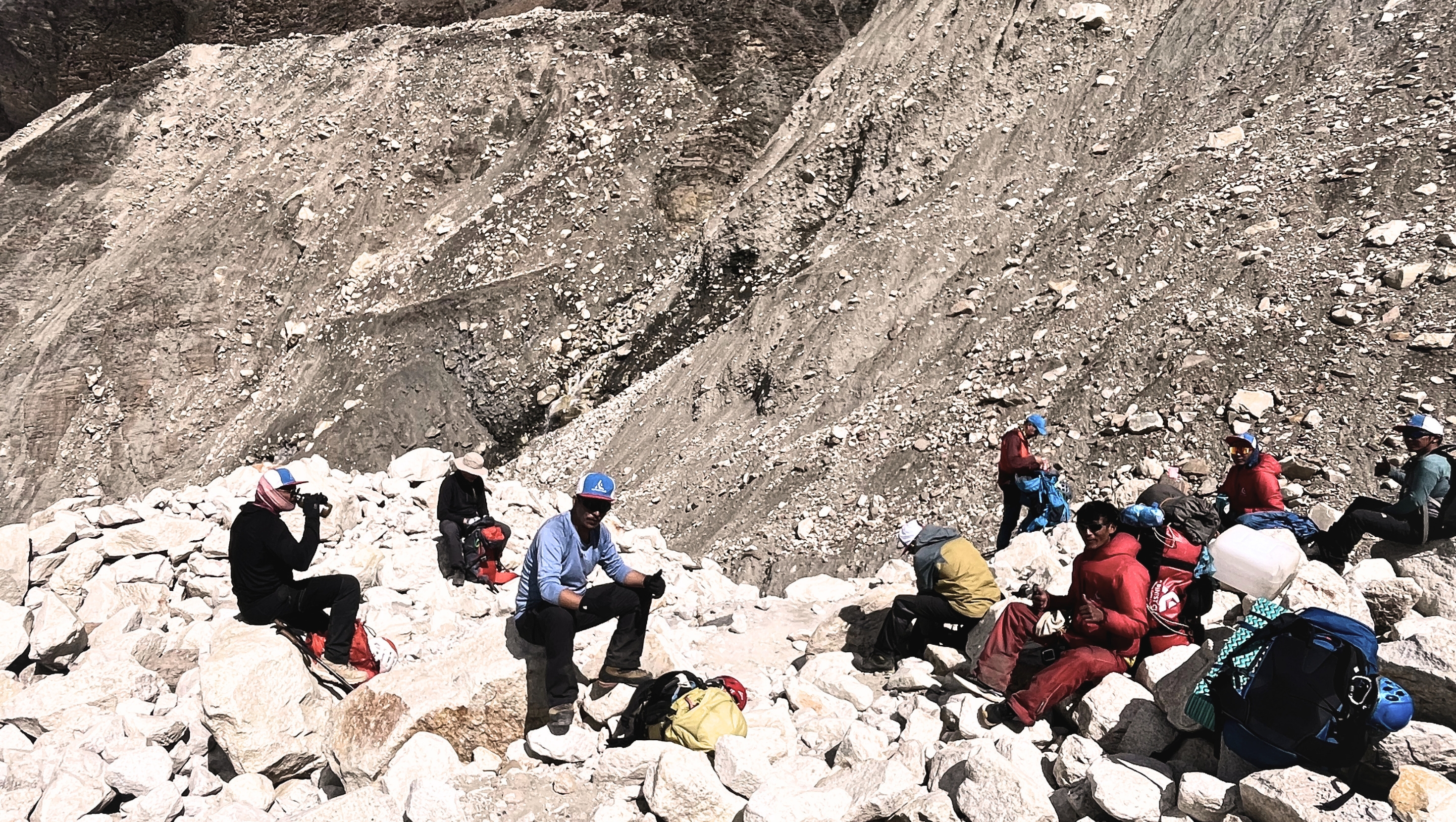
- Crampons
- Ice axe techniques
- Harnesses
- Ascenders
- Descenders
- Carabiners
- Fixed-rope movement
- Basic glacier travel
- High-altitude camping
Experience on a ‘’5,500–6,500-meter mountain’’ is especially useful before attempting Himlung Himal.
Physical conditioning is equally important. Climbers should arrive with strong cardiovascular endurance, leg strength, core stability, and the ability to move for several hours while carrying a backpack.
Acclimatization and Climbing Rotations
Proper acclimatization is one of the most important factors in a successful Himlung Himal Expedition.
Instead of immediately attempting the summit, climbers normally complete several rotations between Base Camp and the higher camps.
A typical progression may include climbing to Camp I, sleeping there, returning to Base Camp, later moving toward Camp II or Camp III, and then descending again for recovery.
This process allows the body to gradually adapt to reduced oxygen levels.
After completing the main acclimatization rotations, climbers return to Base Camp for several days of rest.
The expedition team then monitors weather forecasts and mountain conditions before deciding when to begin the final summit push.
Best Time to Climb Himlung Himal
The two main climbing seasons are:
‘’Spring: April–May’’
Spring generally provides increasingly stable weather, warmer daytime temperatures, and good conditions for Himalayan climbing.
‘’Autumn: Late September–October’’
Autumn is another excellent period. After the summer monsoon, the skies are often clearer, and visibility across the Himalayas can be outstanding.
The autumn season is particularly popular for Himlung Himal expeditions.
Winter usually brings extremely cold temperatures and heavier snow accumulation, while the summer monsoon creates unstable weather and difficult mountain conditions.
Typical Himlung Himal Expedition Duration
A complete Himlung Himal Expedition generally takes around ‘’25–30 days’’, depending on the itinerary, weather, acclimatization schedule, and road conditions.
A typical expedition structure includes:
‘’Kathmandu preparation → Drive toward the Annapurna region → Trek through Koto and Phu → Himlung Base Camp → Acclimatization rotations → Summit push → Return to Base Camp → Trek/drive back to Kathmandu.
The climbing period normally occupies the largest part of the itinerary because several days must be reserved for acclimatization and weather flexibility.
Rushing a 7,000-meter expedition is never recommended.
Expedition Support
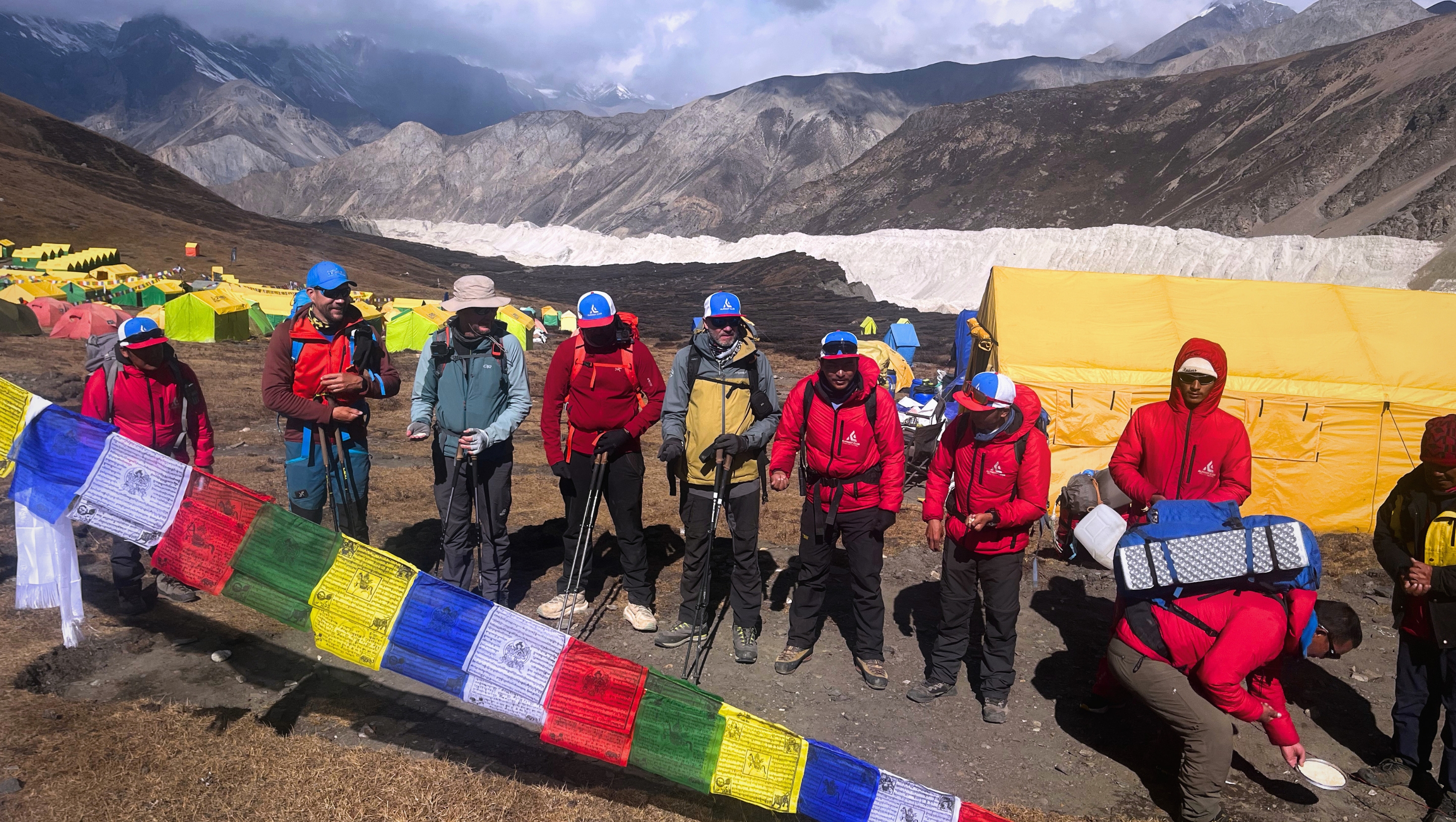
A professionally organized Himlung Himal Expedition normally includes a complete support team to help climbers operate safely and efficiently in the mountains.
- Depending on the expedition package, services can include:
- Government-authorized climbing Sherpa
- Experienced expedition leader
- Base Camp manager
- Base Camp cook and kitchen staff
- Porter transportation during the approach
- Climbing permit and official documentation
- Base Camp accommodation
- High-altitude tents
- Dining and kitchen tents
- Meals during the expedition
- High-altitude cooking equipment and fuel
- Fixed ropes and group climbing equipment
- Communication equipment
- Weather forecast updates
- First-aid and medical equipment
- Staff insurance
- Expedition logistics and transportation
- Summit certificate after successful completion
For stronger safety and individual support, many expeditions operate with a ‘’1:1 climbing Sherpa-to-member ratio’’.
Preparing for Himlung Himal
Preparation should begin several months before arriving in Nepal.
Training should combine cardiovascular conditioning, strength training, hiking, stair climbing, and endurance work.
Long hikes carrying a backpack are particularly useful because they simulate the sustained effort required during the expedition.
Climbers should also practice technical skills before departure.
Knowing how to efficiently use crampons, an ice axe, ascender, descender, harness, and fixed ropes saves valuable energy at altitude.
Previous experience at high altitude is extremely valuable because every climber reacts differently above 6,000 meters.
Himlung Himal as Preparation for an 8,000m Expedition
One of the biggest advantages of Himlung Himal is the experience it provides for bigger expeditions.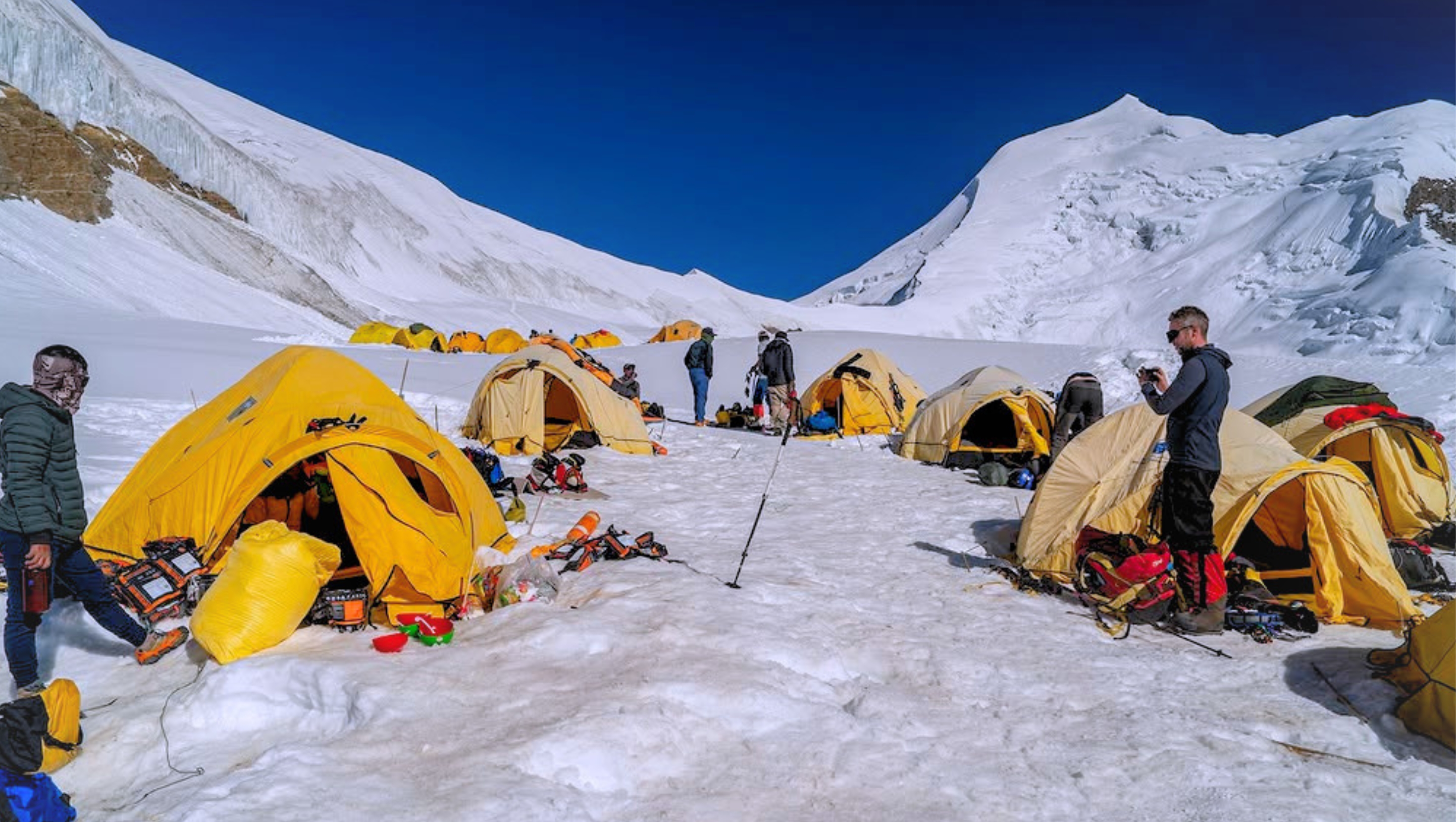
A climber considering ‘’Manaslu, Cho Oyu, Everest, Makalu, or another 8,000-meter mountain’’ needs more than physical fitness.
They need to understand expedition life.
Himlung teaches climbers how their body responds to altitude, how they sleep at high camps, how they manage hydration and nutrition, how they move on fixed ropes while exhausted, and how they remain mentally focused during a long summit push.
Those lessons can be extremely valuable before attempting higher mountains.
Experience the Himlung Himal Expedition with Alpinist Club
At ‘’Alpinist Club Pvt. Ltd.’’, we organize professionally managed Himlung Himal expeditions with experienced Himalayan climbing guides and a dedicated support team.
Our objective is not only to help climbers reach the summit but to create an expedition where ‘’safety, proper acclimatization, teamwork, preparation, and responsible mountain practices " remain the highest priorities.
From expedition permits and transportation to Base Camp management, high-altitude camps, climbing Sherpa support, route preparation, meals, communication, and weather monitoring, our team manages the essential logistics so climbers can focus on their expedition.
Whether Himlung Himal is your first 7,000-meter expedition or part of your preparation for an 8,000-meter mountain, it offers an unforgettable opportunity to experience true Himalayan mountaineering.