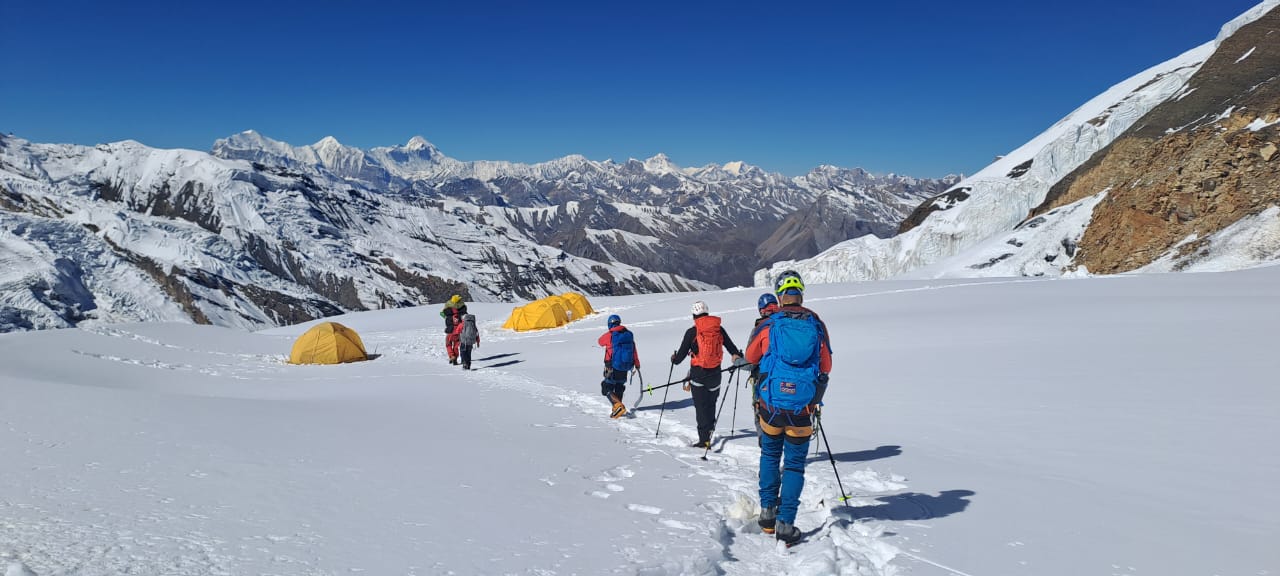
Himlung Himal vs Annapurna IV Expedition: Which 7,000m Peak Is Right for You?
Compare Himlung Himal (7,126m) and Annapurna IV (7,525m) expeditions in Nepal. Discover difficulty, climbing experience, technical skills, best season, and which 7,000m peak is right for you.
Choosing your first or next 7,000-meter Himalayan expedition is a major decision. In Nepal, Himlung Himal (7,126m) and Annapurna IV (7,525m) are two excellent options for climbers who want to progress beyond 6,000-meter peaks and prepare for more serious high-altitude mountaineering.
Both mountains offer a true expedition experience, including acclimatization rotations, high camps, glacier travel, fixed-rope climbing, extreme cold, and long summit days. However, the two peaks are different in difficulty, altitude, technical requirements, and overall expedition character.
Himlung Himal vs Annapurna IV at a Glance
| Feature | Himlung Himal | Annapurna IV |
| Altitude | 7,126m | 7,525m |
| Location | Nar Phu/Peri Himal | Annapurna Region |
| Difficulty | Moderate to challenging | challenging |
| Technical level | Moderate | Moderate to high |
| Best For | First 7,000m expedition | Experienced high-altitude climbers |
| Main Terrain | Glacier, snow, fixed ropes | Glacier, snow, ice, and steeper sections |
| Physical Demand | High | Very High |
| Acclimatization | Essential | Essential |
| Preparation for 8,000m peaks | Excellent | Excellent |
| Expeditions Style | Remote and gradual | Higher and more demanding |
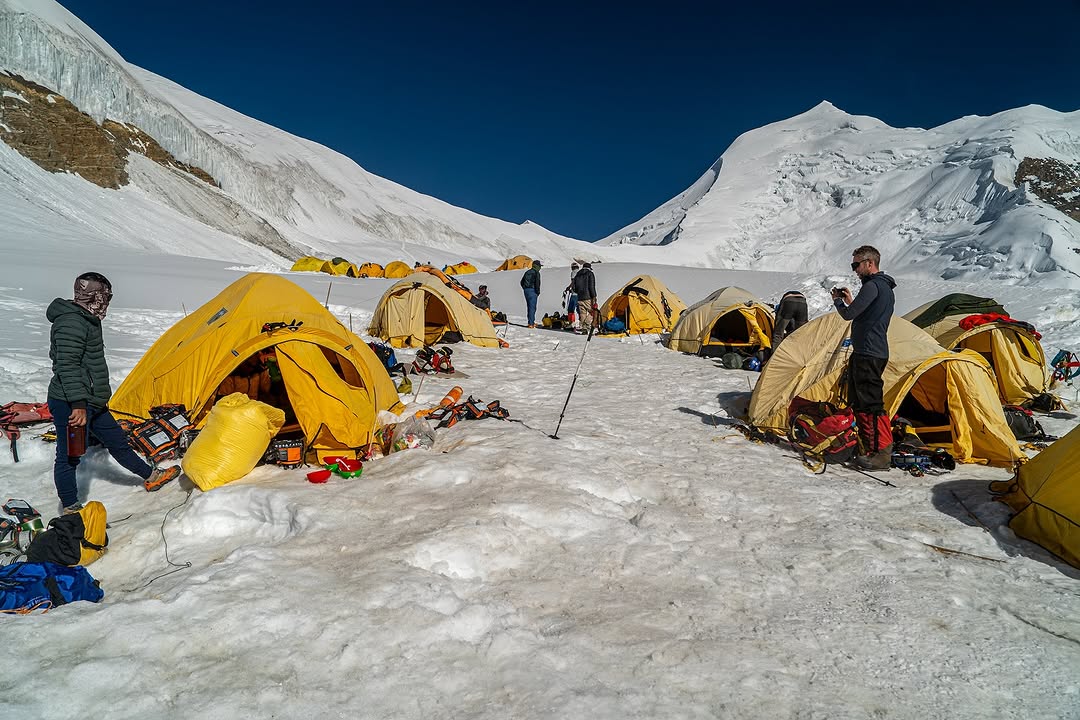
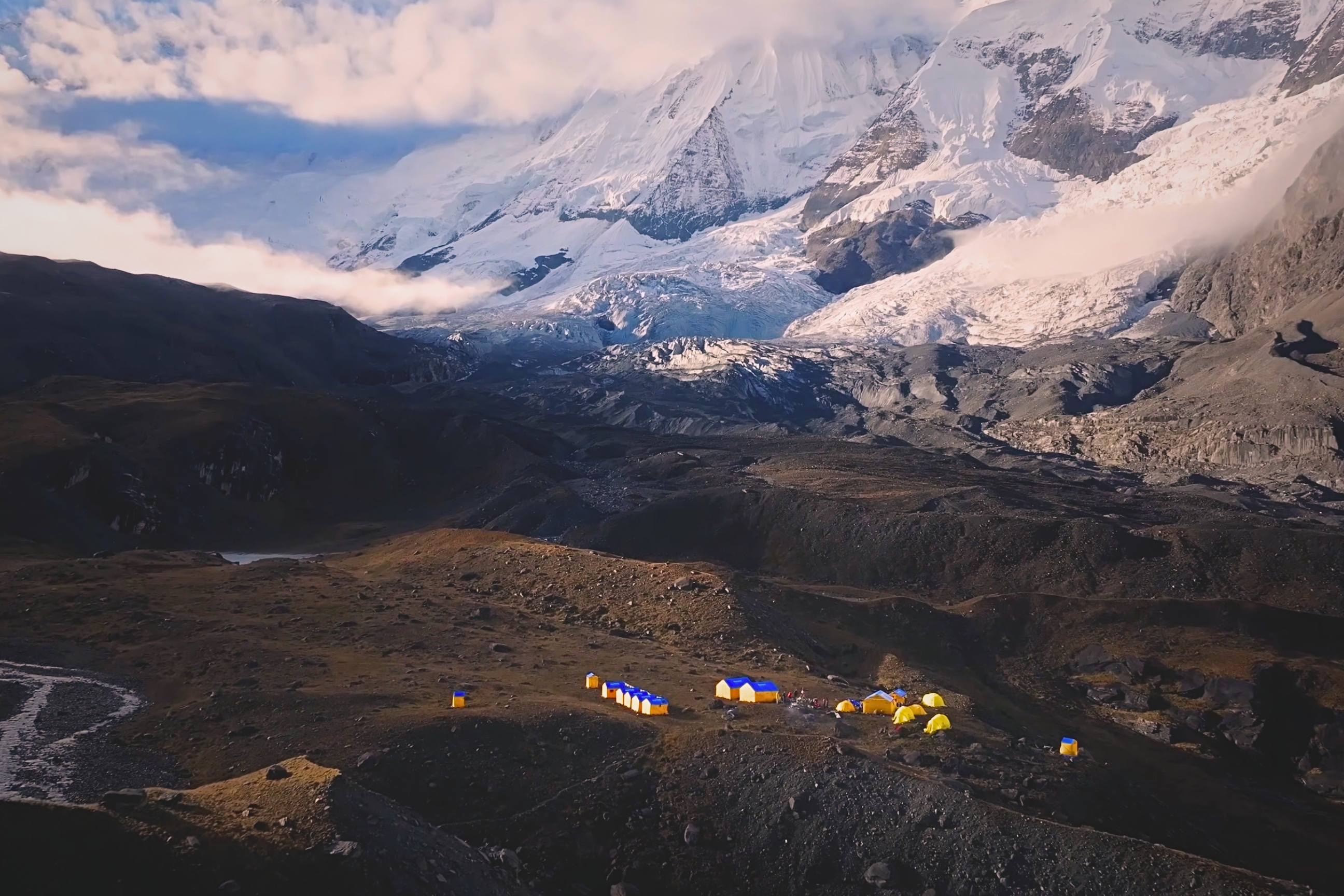
Himlung Himal Expedition – A Perfect Introduction to 7,000m Climbing
Why Choose Himlung Himal?
Himlung is suitable for climbers who want to.jpg)
- Attempt their first 7,000-meter mountain
- Develop high-altitude expedition experience
- Improve fixed-rope and glacier travel skills
- Experience multiple high camps
- Prepare for Manaslu, Cho Oyu, Everest, or other 8,000m expeditions
- Climb in a quieter and remote Himalayan region
The gradual progression of the expedition also gives climbers valuable experience in managing fatigue, altitude, cold temperatures, nutrition, hydration, and recovery.
Annapurna IV Expedition – A Bigger Step Up
Why Choose Annapurna IV?
- A more serious 7,000m expedition
- Higher-altitude experience
- More challenging snow, ice, and glacier terrain
- Strong preparation for future 8,000m peaks
- A less commercial Himalayan expedition
- A demanding physical and mental challenge
Which Mountain Is More Difficult?
In general, Annapurna IV is the more demanding expedition.
At 7,525 meters, Annapurna IV exposes climbers to higher altitude and generally requires stronger endurance and more confidence in technical terrain.
Himlung is still a serious high-altitude mountain, but it is often a better progression for climbers moving from 6,000-meter peaks into their first major expedition.
A simple progression could be:
6,000m Peak → Himlung Himal → Annapurna IV → 8,000m Expedition
However, climbing progression is different for every mountaineer. Previous experience, physical condition, technical ability, acclimatization history, and expedition style should all be considered.
Technical Climbing Requirements
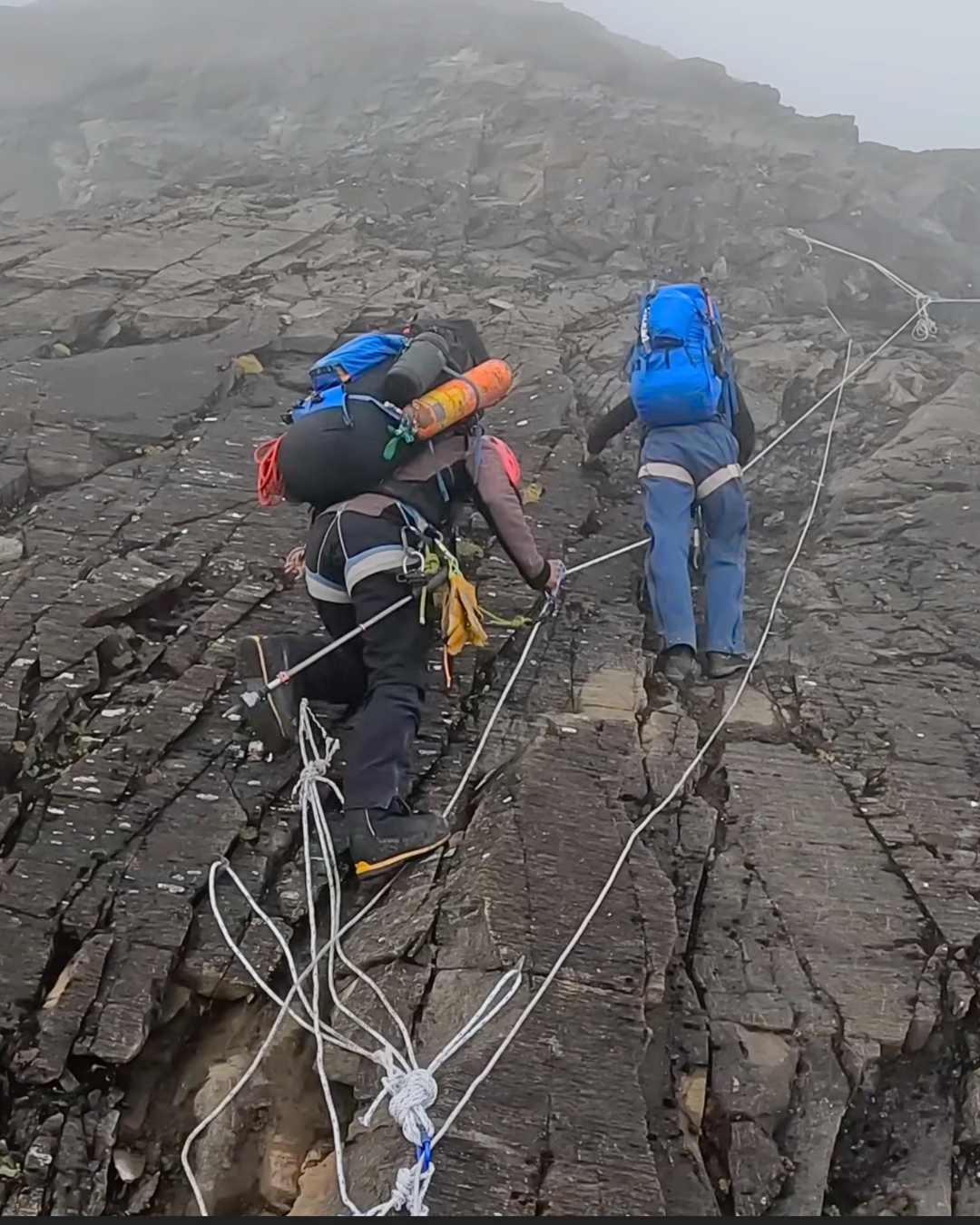
Both expeditions require basic to intermediate mountaineering skills.
Climbers should be comfortable using:
- Crampons
- Ice axe
- Climbing harness
- Ascender/Jumar
- Descender
- Fixed ropes
- Carabiners
- High-altitude boots
- Glacier travel equipment
Experience climbing on snow, ice, and glaciers is highly recommended.
Annapurna IV may require greater confidence on steeper sections and more challenging terrain.
Physical Fitness
Good physical preparation is essential for both expeditions.
- Climbers should prepare with:
- Long-distance hiking
- Hill or stair climbing
- Strength training
- Cardiovascular endurance training
- Carrying a weighted backpack
- Multiple-day mountain trips
- Previous high-altitude climbing
Training should begin several months before the expedition.
The objective is not only to reach the summit but also to remain strong enough to descend safely.
Acclimatization and Camp Rotations
Both Himlung and Annapurna IV require proper acclimatization.
After arriving at Base Camp, climbers normally complete several rotations between Base Camp and higher camps.
During these rotations, the team gradually increases sleeping altitude before returning lower for recovery.
This process allows the body to adapt to lower oxygen levels.
A typical rotation may include:
Base Camp → Camp I → Base Camp
followed by:
Base Camp → Camp I → Camp II → Base Camp
Further rotations depend on weather, route conditions, health, and the expedition leader's decision.
After successful acclimatization, climbers rest at Base Camp while waiting for a suitable summit window.
Which Peak Is Better for Your First 7,000m Expedition?
- Base Camp routines
- Acclimatization rotations
- High-altitude nutrition
- High-camp living
- Fixed-rope climbing
- Managing cold temperatures
- Summit planning
- Recovery at altitude
After gaining this experience, climbers may feel better prepared for Annapurna IV or an 8,000-meter expedition.
Which Peak Is Better for Experienced Climbers?
For mountaineers who already have strong high-altitude experience, Annapurna IV offers a bigger challenge.
The higher altitude and demanding terrain make it a valuable expedition for climbers who want to test themselves before attempting mountains above 8,000 meters.
It can also be an excellent goal for climbers who simply want a serious and less commercial Himalayan expedition.
Best Season for Himlung and Annapurna IV
The main expedition seasons are generally:
Spring: April–May
Autumn: September–November
Autumn is particularly popular because it often provides good mountain visibility and stable climbing periods.
However, weather in the Himalayas is unpredictable. Final summit decisions depend on wind, snowfall, temperature, route conditions, avalanche risk, and the health of the climbing team.
Safety During the Expedition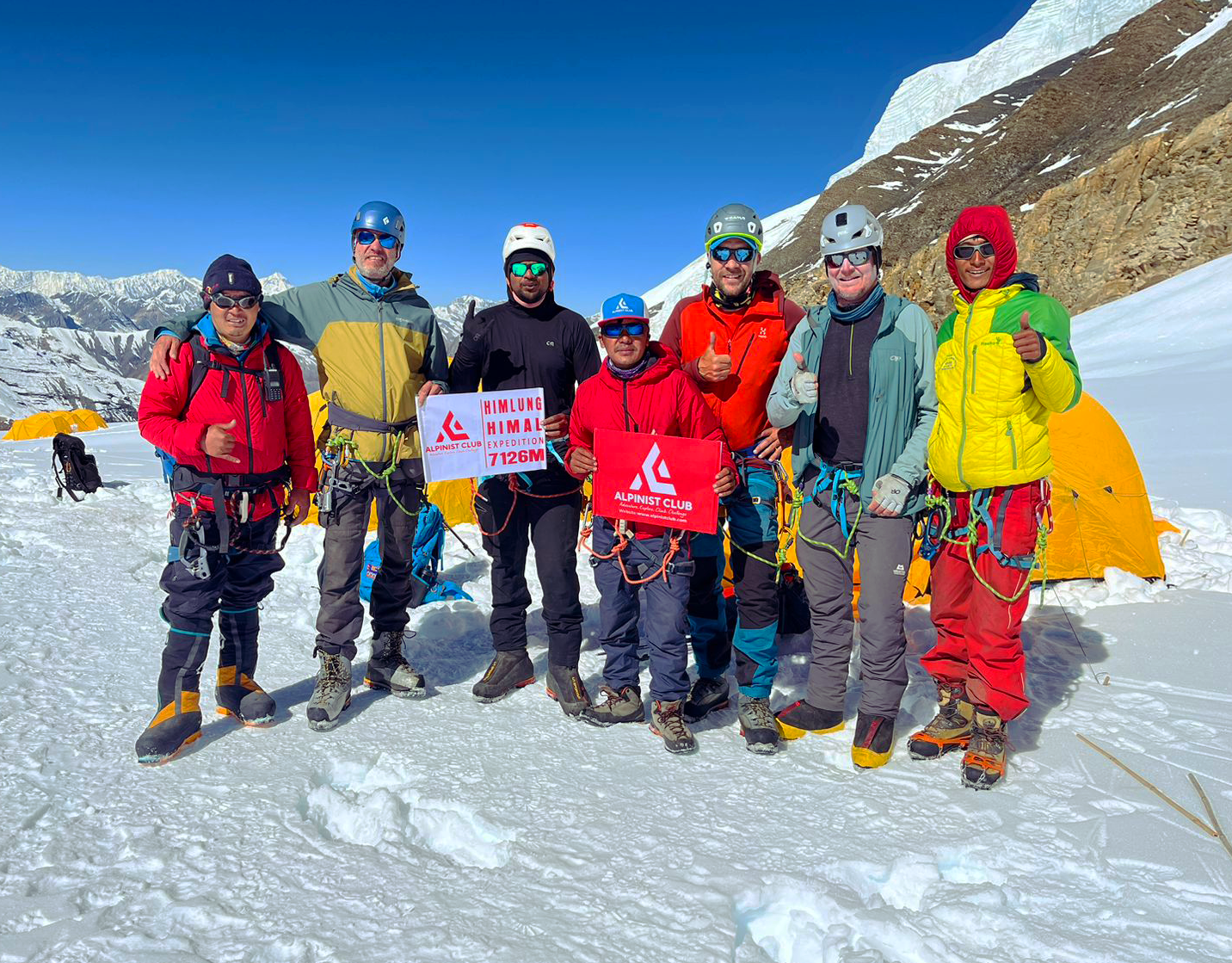
High-altitude expeditions always involve risk.
Possible challenges include:
- Acute Mountain Sickness
- Extreme cold
- Glacier crevasses
- Falling ice
- Snowfall
- Strong winds
- Avalanche conditions
- Exhaustion
- Dehydration
A professional expedition team, proper acclimatization, realistic decision-making, and good communication are essential.
At Alpinist Club Pvt. Ltd., safety always comes before summit success.
Himlung Himal Expedition – Who Should Join?
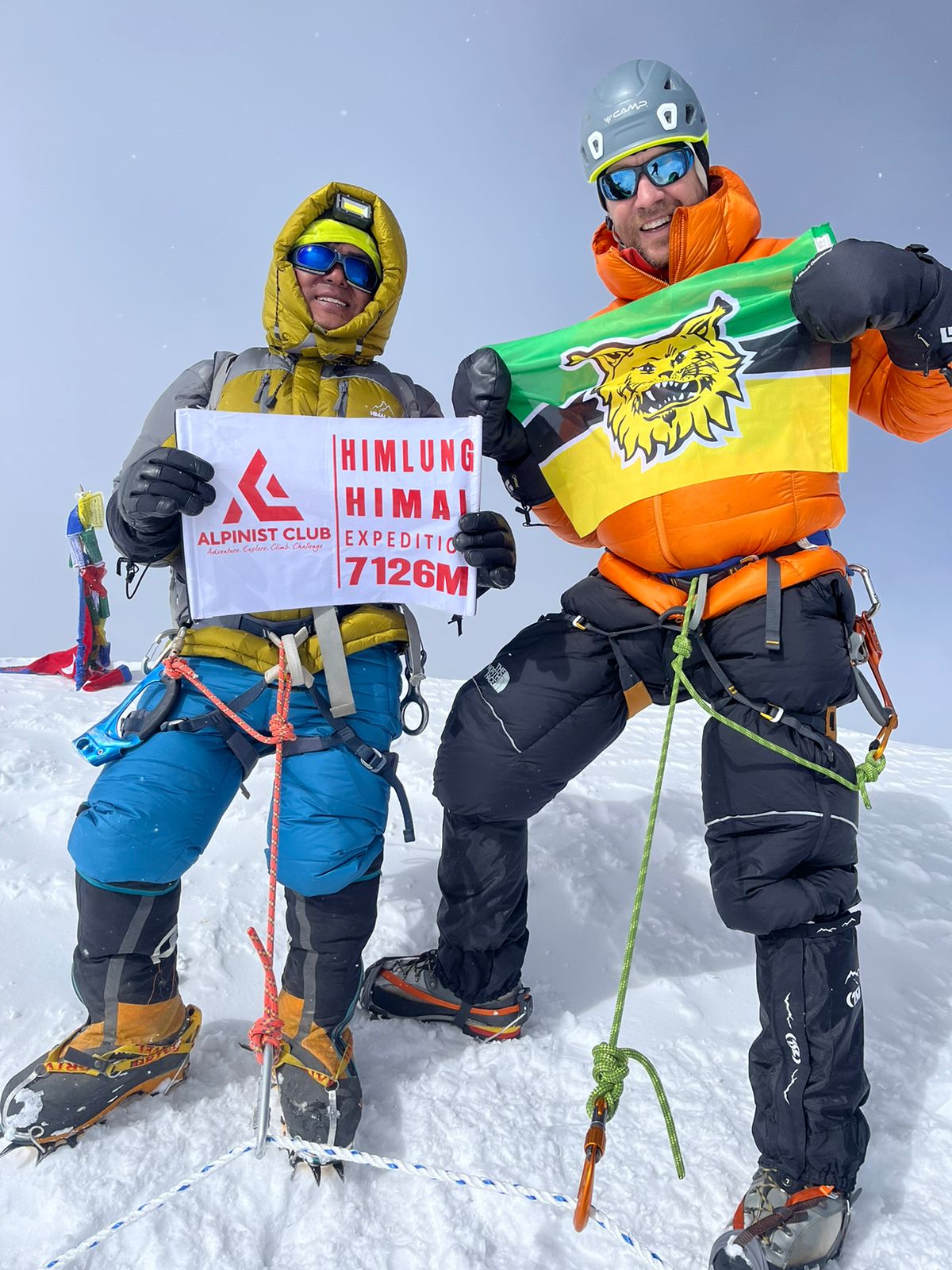
- Have previous 6,000m climbing experience
- Want their first 7,000m expedition
- Are comfortable using basic mountaineering equipment
- Have good physical fitness
- Want to prepare for future 8,000m mountains
Annapurna IV Expedition – Who Should Join?
- Already have strong high-altitude experience
- Have previously climbed technical 6,000m or 7,000m mountains
- Are comfortable with fixed ropes and glacier travel
- Want a more demanding expedition
- Are preparing for serious 8,000m objectives
Final Comparison: Himlung or Annapurna IV?
.jpg)
Frequently Asked Questions
Book Your 7,000m Expedition in Nepal