Upper Dolpo Trek

Explore the remote Himalayas of Dolpo and Mustang. Discover Phoksumdo Lake, Shey Gompa, high passes, yak caravans, and timeless villages on this unforgettable cultural and adventure journey.

A timeless trek between Dolpo and Mustang

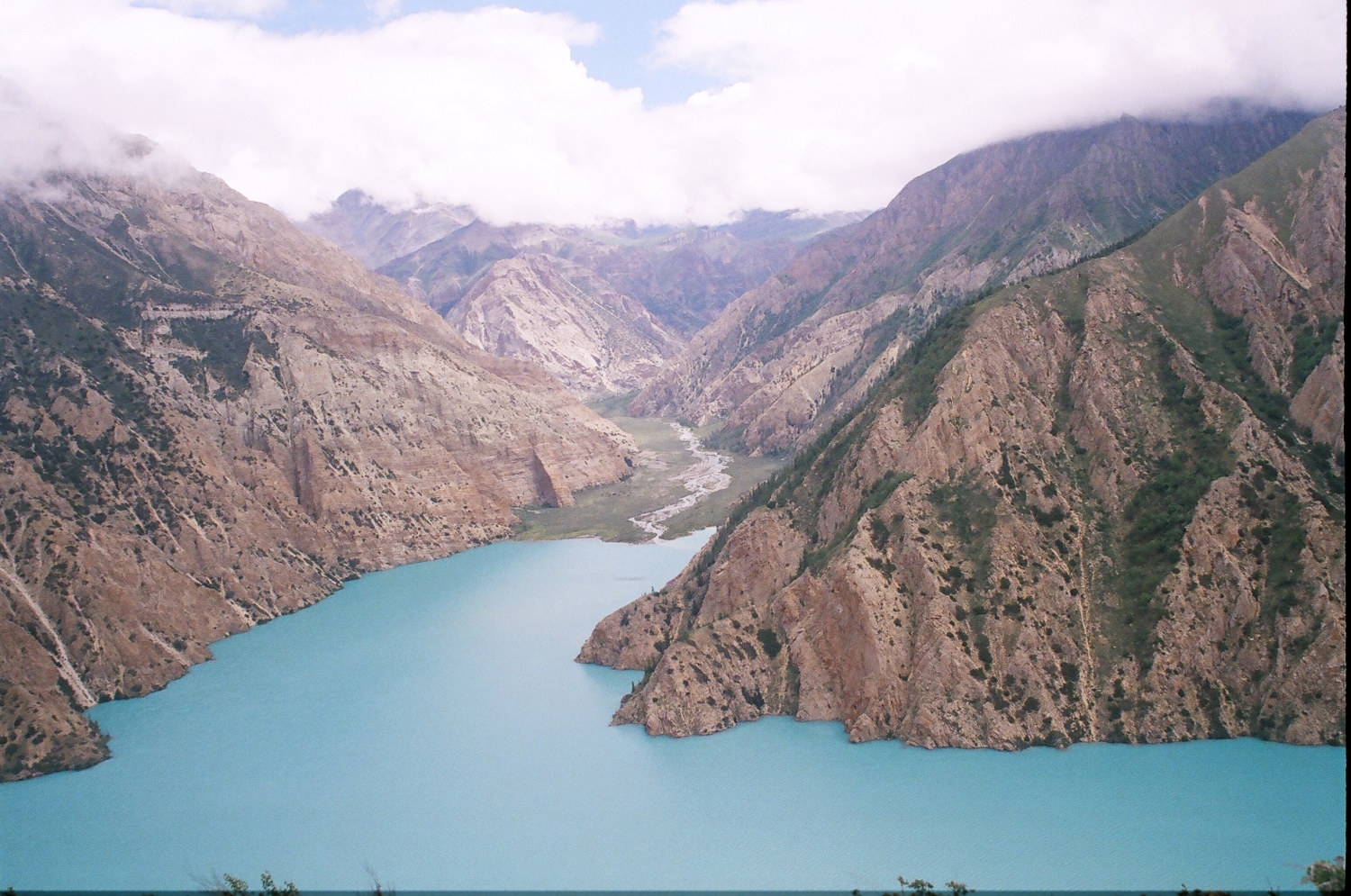
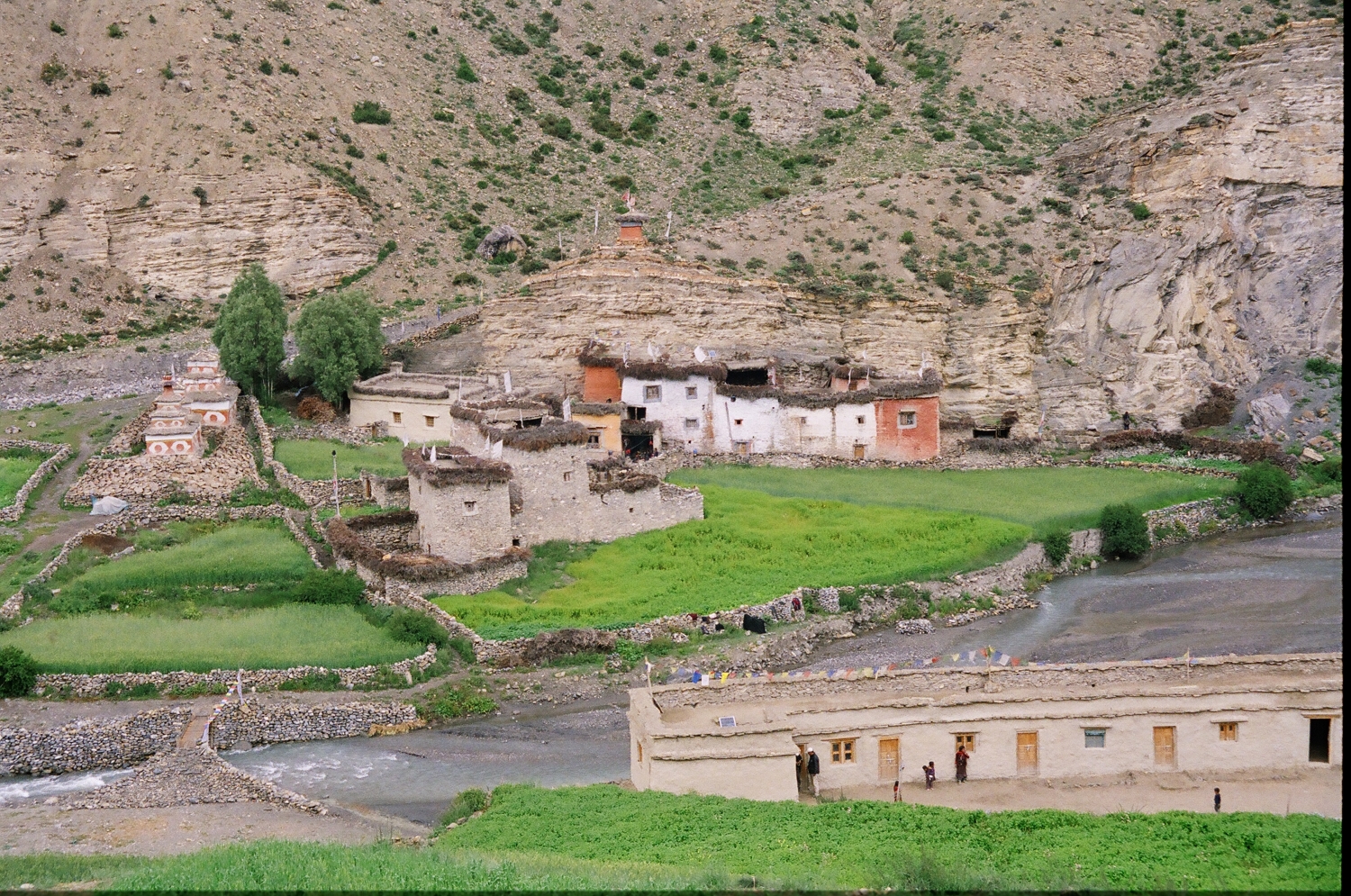
This journey takes you to a timeless region, still largely untouched by modern roads, where the high Himalayas reveal their raw and mystical beauty. The adventure begins at Juphal, whose small altiport serves as the gateway to Dolpo, one of Nepal’s most remote and enchanting regions. From here, we explore the area’s iconic sites, including the stunning turquoise waters of Phoksumdo Lake, the ancient Shey Gompa monastery perched high above the valley, and the traditional villages of Saldang and Dho Tarap, where local culture has remained remarkably intact for centuries.

A great altitude crossing 9 high passes between 4,500m and 5,500m.
Visit hidden villages and sacred monasteries
Create life-long memories and cultural connections
Witness the raw beauty of Phoksundo Lake and Dhaulagiri
Discover Tibetan and Bon spiritual traditions

Overview

Dolpo to Mustang Unveiled: Trekking Nepal’s Hidden Highlands

Beyond these well-known highlights, the journey leads to less-traveled corners that capture the essence of Dolpo’s timeless landscapes. We witness the convergence of mountain rivers, where yak caravans follow age-old trading routes, and visit Charka, a quiet hamlet along the path toward Mustang, where daily life continues largely as it has for generations. Every step of the journey reveals the harmony between people, animals, and nature, framed by dramatic mountains and vast, open valleys.

The route is marked by numerous high passes, each offering breathtaking panoramas and a sense of adventure as we navigate remote valleys en route to Jomsom. This trek is more than a physical journey—it is a journey of discovery, one that evokes the spirit of legendary works such as Peter Matthiessen’s The Snow Leopard or Éric Valli’s Himalaya, the Childhood of a Leader. Each village, river, and ridge invites reflection on the resilience and simplicity of life in the high Himalayas, leaving a lasting impression of wonder and serenity.

This Trek is ideal for travelers seeking to step off the beaten path, to experience remote landscapes steeped in culture and myth, and to walk in the footsteps of explorers and storytellers who have long been captivated by Dolpo’s ethereal beauty.

Itinerary

Expand All

Upon your arrival in Kathmandu, our local team warmly welcomes you at the airport. You will then be escorted to the hotel, where you can enjoy some well-deserved relaxation. The itinerary includes a briefing about the trek's progress and presentation, followed by leisure time. If you arrive in the morning, you'll have the entire day at your disposal. This can be used for rest or for those interested in exploring the surroundings freely. It's an ideal chance to experience Nepalese culture and indulge in the local culinary delights.

  • Airport pickup &Transfer to hotel
  • Final altitude: approximately 1,350 m
  • Meals: Dinner
  • Accommodation: one night in the hotel

 A scenic hour-long flight offering views of the Manaslu, Annapurna, and Dhaulagiri massifs, landing in Nepalgunj, which is located in the Terai plain near the Indian border.

  • Travel: Private vehicle, plane (approx. 1 hour flight, 45 minutes transfer), 
  • Altitude: Approximately 280 m.
  • Accommodation : overnight in a lodge or simple hotel.
  • Meals: Breakfast, lunch, and dinner are included.

Activity: An impressive flight from Nepalgunj to Juphal, subject to weather conditions. Upon landing on the asphalt runway (updated in August 2017), the trek begins with a descent to Suligad village (2,080 m) for administrative checks of permits. The route then ascends towards Kageni before reaching Sangta, an enchanting bivouac site.

Note: If weather prevents the flight, a helicopter option to Juphal might be possible under certain conditions (sufficient participants to co-charter, requiring $350 cash contribution from participants).
  • Walking: Approximately 7 hours of walking.
  • Elevation gain/loss: +620 m / -520 m.
  • Altitude: Approximately 2500 m.
  • Accommodation:  Overnight in a tent.
  • Meals: Breakfast, lunch, and dinner are included.

Continue along the Suli Gad river, traversing both right and left banks. The torrent from Phoksumdo Lake is tumultuous. Pass a cliff overlooking the river—overnight camp in Regi, a village situated at a safe distance from the gorges.

  • Walking: Approximately 6 hours of walking.
  • Elevation gain/loss: +750 m / -290 m.
  • Final Altitude: Approximately 2940 m.
  • Accommodation: Overnight in a tent.
  • Meals: Breakfast, lunch, and dinner are included.

As you ascend, vegetation becomes sparser. Pass the Phoksumdo National Park center and the winter village of Palam. Continue to a high point at 3,700 m, where a small viewpoint offers observation of Nepal's highest waterfall, whose waters originate from the lake. An easy descent leads to Rigmo village and a magnificent camp facing Phoksumdo Lake.

  • Walking: Approximately 5 hours of walking. 
  • Elevation gain/loss: +800 m / -200 m.
  • Altitude: Approximately 3610 m.
  • Accommodation: Overnight in a tent.
  • Meals: Breakfast, lunch, and dinner are included.

Day of acclimatization, which allows us to get to know this Tibetan village better. The inhabitants are of Buddhist religion and Bön (the pre-Buddhist religion). An easy walk in the forest along the lake leads us to the Bön monastery. Dolpo is one of the rare regions of the Tibetan cultural area to practice this pre-Buddhist religion and yet very close to Buddhism. Marietta Kind, a Swiss specialist in this religion, helps the village school.

  • 2 hours of walking
  • Meals: breakfast – lunch – dinner
  • Accommodation: one night in a tent

One of the most beautiful days, walking along the lake on a cliffside, recalling the famous yak scene from Éric Valli's film "Himalaya, l'enfance d'un chef." Afterward, ascend a large pebble beach to Pine Camp. Kanjiroba (6,612 m) dominates the camp.

  • Walking: Approximately 6 hours of walking.
  • Elevation gain/loss: +600 m / -500 m.
  • Altitude: Approximately 3750 m.
  • Accommodation:  Overnight in a tent.
  • Meals: Breakfast, lunch, and dinner are included.

Begin in the forest, crossing the torrent from the Gand La gorge (sandals recommended for crossing). This alternative pass avoids numerous river crossings and low-temperature bivouacs, offering a pleasant route through grassy areas amidst detrital rocks.

  • Walking: Approximately 7 hours of walking. 
  • Elevation Change: +1150 m / -200 m.
  • Altitude: Approximately 4650 m.
  • Accommodation: Overnight in a tent.
  • Meals: Breakfast, lunch, and dinner are included.

 Ascend a thalweg for 3 hours to reach the prayer flags of Kang La, marking the geographical boundary between Upper and Lower Dolpo. Descend into a valley of tortured rocks towards the isolated Shey monastery, located in the suture zone between the Asian and Indian plates.

  • Walking: Approximately 7 hours of walking. 
  • Elevation gain/loss: +750 m / -1050 m.
  • Altitude: Approximately 4350 m.
  • Accommodation: Overnight in a tent.
  • Meals: Breakfast, lunch, and dinner are included.

Visit the Tsakhang hermitage at the foot of impressive cliffs, where Peter Matthiessen and Georges Schaller studied bharal (blue sheep) in 1973. This site hosts an annual pilgrimage during the full moon of the dragon month, becoming a larger event every 12 years. If time permits, visit Tsarang and Gomoche hermitages. In the afternoon, ascend to an unnamed pass and descend into a green valley used as a summer pasture by shepherds.

Note: A variant program is available in case of delays, bypassing Bhijer and Shamling gompa, but offering equally spectacular landscapes.

  • Walking: Approximately 6 hours of walking. 
  • Elevation gain/loss: +1100 m / -950 m.
  • Altitude: Approximately 4350 m.
  • Accommodation: Overnight in a tent.
  • Meals: Breakfast, lunch, and dinner are included.

A steep climb involving several small passes, with the highest at 4,600 m, offering sublime views towards the Tar Khola gorges and snow-capped Tibetan peaks. Descend to the isolated village of Bijor, detouring to the Bön monastery of Shamling, a remote and timeless site

  • Walking: Approximately 6 hours of walking. 
  • Elevation gain/loss: +900 m / -1300 m.
  • Altitude: Approximately 4000 m.
  • Accommodation: Overnight in a lodge / tent.
  • Meals: Breakfast, lunch, and dinner are included.

Spend the morning exploring Bijor village, visiting its school and monastery. Afterward, ascend along the hillside above the village to the base camp of Nang La.

  • Walking: Approximately 6 hours of walking. 
  • Elevation gain/loss: +1000 m / -1000 m.
  • Altitude: Approximately 4350 m.
  • Accommodation: Overnight in a tent.
  • Meals: Breakfast, lunch, and dinner are included.

Cross the Nang La at 5,400 m, enjoying magnificent valley views. Descend towards Karang, continuing along ridges above beautiful villages to reach a highly agricultural valley.

  • Walking: Approximately 7 hours of walking. 
  • Elevation gain/loss: +400 m / -1200 m.
  • Altitude: Approximately 4200 m.
  • Accommodation: Overnight in a tent.
  • Meals: Breakfast, lunch, and dinner are included.

Trek to the confluence of the Saldang and Yangser valleys, a common stopping point for yak caravans from Tibet. Set up camp, then visit the gompas of Yangser and the remote village of Nysalgaon after lunch.

  • Walking: Approximately 7 hours of walking. 
  • Elevation gain/loss: +350 m / -800 m.
  • Altitude: Approximately 3680 m.
  • Accommodation: Overnight in a tent.
  • Meals: Breakfast, lunch, and dinner are included.

follow the Namgung Khola to the base of Saldang village, a series of hamlets. Visit the main temple, whose murals were recently restored by Norbu, the painter from the film "Himalaya, l'enfance d'un chef." Continue towards Chagaon, following the caravan path alongside the river and passing through numerous villages.

  • Walking: Approximately 6 hours of walking. 
  • Elevation gain/loss: +700 m / -350 m.
  • Altitude: Approximately 4000 m.
  • Accommodation: Overnight in a tent.
  • Meals: Breakfast, lunch, and dinner are included.

Depart Chagaon, the last village in the valley. Spot Rap monastery (4,200 m) across the way, then ascend towards the high pastures of Jyanta La Phedi.

  • Walking: Approximately 5 hours of walking. 
  • Elevation gain/loss: +950 m / -180 m.
  • Altitude: Approximately 4700 m.
  • Accommodation: Overnight in a tent.
  • Meals: Breakfast, lunch, and dinner are included

Cross the Jyanta La at 5,130 m, with magnificent views of the Dhaulagiri. Descend into the Tarap valley, known as "the valley of excellent horses." Visit Champa Lakhang in Tokkyu village. Descend further through the Tarap valley, passing numerous hamlets, and make an essential stop at the "Crystal Mountain School" before camping in Dho Tarap by the river.

  • Walking: Approximately 6 hours of walking. 
  • Elevation gain/loss: +350 m / -1090 m.
  • Altitude: Approximately 4100 m.
  • Accommodation: Overnight in a tent.
  • Meals: Breakfast, lunch, and dinner are included.

Explore the well-preserved Tibetan villages and monasteries of Upper Tarap, including the Nyingmapa (Red Hat) Buddhist monasteries of Ribo Bhumpa and Doro, and the Bön-Po monastery of Shipchhok. Leave the valley to reach the foot of the Jhyarkoi La, located in a cirque of detrital rocks, with a view of the next day's pass.

  • Walking/: Approximately 5 hours of walking. 
  • Elevation gain/loss: +800 m / -100 m.
  • Altitude: Approximately 4800 m.
  • Accommodation: Overnight in a tent
  • Meals: Breakfast, lunch, and dinner are included.

A steady climb to the Jhyarkoi La, with the path marked by yak caravans. The trail becomes very steep before and at the beginning of the descent. Follow a balcony trail at contour level to the bivouac site near nomadic tents in the Mola La pastures.

  • Walking: Approximately 5 hours of walking. 
  • Elevation gain/loss: +700 m / -720 m.
  • Altitude: Approximately 4800 m.
  • Accommodation: Overnight in a tent.
  • Meals: Breakfast, lunch, and dinner are included.

Cross another high pass, Mola La (5,030 m), offering splendid views of the Dhaulagiri. Descend to Chharka village, where a large part of "Himalaya, l'enfance d'un chef" was filmed. Visit the old fortified village and camp nearby.

  • Walking: Approximately 5 hours of walking. 
  • Elevation gain/loss: +400 m / -850 m.
  • Altitude: Approximately 4330 m.
  • Accommodation: Overnight in a tent.
  • Meals: Breakfast, lunch, and dinner are included.

Shortly after Chharka Bhot, cross the Barbung Khola and Thasang Khola via new bridges, making this route possible. Follow the Thasang Khola, passing large yak pastures and navigating through the austere gorges before ascending to high pastures to camp at the foot of the next day's pass. Be prepared for multiple river crossings (sandals needed).

  • Walking: Approximately 7 hours of walking. 
  • Elevation gain/loss: +750 m / -200 m.
  • Altitude: Approximately 4870 m.
  • Accommodation: Overnight in a tent.
  • Meals: Breakfast, lunch, and dinner are included.

The ascent to Nirwa La is easy. The second pass, Jungben La (5,555 m), is steep but offers a spectacular view of the Mukot Himal, Dhaulagiri, and most of Mustang. Descend steeply through scree slopes to the Lhanhimar khola river valley. In the early afternoon, crossing the Jungbenley La or Kok La (5,125 m) is a formality before descending black schist slopes to a pleasant area with trees (a rare sight after 14 days). Enjoy sweeping views of the Kyalungpa Khola valley, Ghok, and Sangta villages, as well as the colorful parts of the eastern Mustang plateaus, with abundant blue sheep.

  • Walking: Approximately 7 hours of walking. 
  • Elevation gain/loss +780 m / -1340 m.
  • Altitude: Approximately 4320 m.
  • Accommodation: Overnight in a tent.
  • Meals: Breakfast, lunch, and dinner are included.

From the juniper camp, descend towards the "gate" of Dolpo, a cliff path at times less than 1m wide. Cross the Kyalungpa khola on a suspension bridge, then follow a flat Nepalese path to Sangda village, encountering two deep thalwegs. Since there's little space for camp in the village, head south over two small passes to a flat plateau, a true caravansary for mule and yak convoys. Expect a lively atmosphere.

  • Walking: Approximately 6 hours of walking. 
  • Elevation gain/loss: +900 m / -900 m.
  • Altitude: Approximately 3760 m.
  • Accommodation: Overnight in a tent.
  • Meals: Breakfast, lunch, and dinner are included.

The penultimate day, largely following the newly traced track between Jomosom and Sangta. From camp, cross a small pass (4,400 m) to rejoin the old trail, then follow the track descending to 4,300 m, where the path veers left towards lower pastures. Enjoy superb views of Mustang and Tilicho peak. Cross a limestone tuff area with numerous caves before reaching sheep pastures. A direct descent leads to the Kali Gandaki furrow and the village of Kagbeni, which has a distinct Mustang character despite new lodges.
Note: In case of program delays, Day 26 may be canceled, and on Day 25, after visiting Kagbeni, the group would take a 30-minute jeep ride to Jomosom to catch the next day's flight.

  • Walking: Approximately 6 hours of walking. 
  • Elevation gain/loss: +160 m / -1530 m.
  • Altitude: Approximately 2840 m.
  • Accommodation: Overnight in a lodge.
  • Meals: Breakfast, lunch, and dinner are included.

The final trekking stage, This morning you will drive over the Annapurnas and dhaulagiri between Jomsom and Pokhara.

  • Drive: Approximately 8 hours of drive. 
  • Altitude: Approximately 850 m.
  • Accommodation: Overnight in a Hotel.
  • Meals: Breakfast and lunch included.

Morning and afternoon: Half-day Pokhara sightseeing tour. Evening: Fly to Kathmandu and enjoy free time at your leisure.

  • Travel: Plane (approx. 1 hour flight each segment) and private vehicle transfers.
  • Accommodation:  Overnight in a hotel.
  • Meals: Breakfast is included; lunch and dinner are not included.

Safety day, which can be used during the trekking or as a free day in Kathmandu.

For unforeseeable reasons at this stage of climatic hazards, form or deformity of the participants or others (state of the roads, traffic, case of force majeure, your guide or guide may have to adapt the program, if necessary for the smooth running of your trip. He remains the sole judge and guarantor of your safety. Walking times are given as an indication and may vary from one participant to another


  • Meals: Breakfast Included 

Free time depending on the departure time of your flight and our representative will drop you at the airport, ending your journey in Nepal. We hope to be of service to you again. Thank you and safe travels.

  • Meals: Breakfast Included 

Everest Very High altitude Note:

If you have a private group and prefer a personalized experience, we can organize a custom trip tailored to your requirements and group size, running it any day you choose.

Plan a Private Trip

Included & Excluded

Included Points

AIRPORT PICK-UP & DROP : Airport - Hotel transfer – Airport (Pick Up and Drop).
ACCOMMODATION IN KATHMANDU : 3 nights sharing a twin bedroom at the hotel (3 Star category) in Kathmandu on a bed and breakfast basis.
WELCOME DINNER : One Welcome Dinner in a tourist standard restaurant in Kathmandu with the Office’s Staff.
PERMITS : All necessary paperwork: Trekking Permit.
SPECIAL PERMIT : Upper dolpo Restricted Permit
STAFF INSURANCE : Insurance for all involved Nepalese staff during the trek.
MAP : Region Trekking map.
MEMBER TRANSPORTATION : Flight as per itinerary
MEMBER LUGGAGE : Up to 15 Kg per member for personal baggage during the trek carried by porters.
FOODS & LODGING : 3 meals a day (BLD; including tea and coffee) along with accessible accommodation sharing basis in tea house/camp during the trek.
CAMPING EQUIPMENT : All necessary camping equipment during the trek if required.
GUIDE : Government licensed Guide (English speaking) during the trek and sight-seeing in Kathmandu valley.
THE GUIDE LEADER (SIRDAR) : Government-licensed Guide (English-speaking) during the Trek. Leads the entire team, manages safety and logistics.
THE ASSISTANT GUIDE : supports the leader and helps clients on the trail and sets up the camp.
THE COOK : prepares all meals on camping treks.
THE KITCHEN BOY : Assists the cook with food prep and carrier kitchen equipment and food.
PORTER : Carries trekking gear and supplies for the trekking group.
STAFF SALARY & ALLOWANCE : All staff wages, equipment, meals, accommodation, and insurance for guides and porters.
MEDICAL KIT : Comprehensive medical kit.

Excluded Points

INTERNATIONAL AIRFARE : International flight airfare (from and to Kathmandu).
NEPAL VISA FEES : The Nepal Visa fee is US$ 40 per person for 30 days (to be applied for 60 days (USD$ 100).
LUNCH & DINNER : Lunch and dinner during the stay in Kathmandu and Pokhara (also in case of early return from Trekking than the scheduled itinerary).
EXTRA NIGHTS IN KATHMANDU & POKHARA : Extra nights’ accommodation in Kathmandu and Pokhara. In case of early arrival or late departure, early return from Trekking (due to any reason) than the scheduled itinerary.
INSURANCE : Travel and high altitude insurance, accident, medical and emergency evacuation.
PERSONAL EXPENSES : Telephone calls, Internet, Toiletries, battery recharge, hot shower, laundry, soft drinks, beer, and any alcoholic beverages.
PERSONAL EQUIPMENT : Clothing, Packing Items or Bags, Personal Medical Kit, Personal Trekking Gears, etc.
TOILETRIES : Soaps, shampoos, toilet and tissue papers, toothpaste, and other items used to keep yourself clean.
FILMING : Special Filming, Camera, and Drone permit fee.
INTERNET SERVICE : Internet facilities during the trek is not included.
TIPS : Tips for Guide, porters, and staff.
EXTRA : Any other services or activities that are not mentioned in the itinerary. Any other item not listed in the “Cost Includes” section.

Trip Information

Upper Dolpo Trek Details
Your guide, from your arrival in Kathmandu until your departure, is responsible for the success of your trip and oversees your team. Do not hesitate to ask him questions, respect his position as the team leader, and above all follow his advice! Often, your guide is the only English-speaking member of the team. In the mountains and, especially when traveling at high altitudes, your guide is responsible for the safety of the group. The instructions he gives and the remarks he makes to all participants must be carefully followed. The interest and safety of the trekking group must be preserved, even when it may be to the detriment of an individual member of the group.

Read More
Your Nepalese team may consist of several people, each with different responsibilities. They are:
  • The Guide Leader (Sirdar) is responsible for and the leader of the whole team and is treated with respect by all. Often, he has earned his position by starting as a porter and rising through the ranks.
  • The Assistant Guide: is actively helping clients under the leader’s direction and set camp.
  • The Cook is responsible for all meals and is on a trek that doesn’t use lodges.
  • The kitchen boy is an assistant to the cook. ( camping trek )
  • The Porter is the load carrier for the trekking group. As Nepal is a mountain country with few roads, porters are employed to carry loads. Compliance with regulations and common courtesy dictates the maximum weight carried and the minimum wage paid. Porters are provided with gear based on the routes they follow and with insurance for alpine trek.

For Lodge (tea house) Accommodations Trek:15 kg maximum;

  • Tent Camping Trek: 22 kg maximum; Expeditions/summit ascents: 20 kg maximum. The porters are given a premium wage for carrying loads over 30 kg. Additionally, the Alpinist Club ensures that insurance is provided for the guide and porters. They are also equipped with specific gear for crossing high-altitude passes.

Accommodations in Kathmandu

In Kathmandu, you will be accommodated in a hotel. We use different hotels depending on availability. The two preferred hotels are:
  • Hotel Ramoda: Located in the heart of Thamel, this hotel is ideal for walking the bustling streets of Kathmandu. The spacious rooms all have a bathroom, air conditioning, and Wi-Fi. A fully equipped and active dining room is available for all meals, and the breakfast buffet offers a wide choice of foods. The hotel offers currency exchange, laundry services, and luggage storage.
  • Sampada Garden: Located just 20 minutes on foot from Thamel and Durbar Square, this hotel is convenient for exploring Kathmandu. The rooms have all the necessary comforts for your stay: air conditioning, a bathroom, and Wi-Fi. Breakfasts are served as a generous buffet. The hotel provides currency exchange, laundry services, and luggage storage.

Accommodation and Meals during the  Upper Dolpo Trek

  • Lodge Accommodation: During the  Trek, you will stay in comfortable mountain lodges, sharing twin-bed rooms in some villages. All meals are freshly prepared by the lodge’s cooks and served in the communal dining room.
  • Camping Accommodation: On camping sections of the trek, accommodation is provided in two-person tents. Breakfasts and evening meals are prepared by our kitchen team or local lodge cooks and enjoyed in the mess tent. Lunch is served along the trail as hot or cold picnic-style meals, depending on the day’s walking distance and availability of water.

Here is a typical one-day menu:

  • Breakfast: eggs, toast or chapati, or Tibetan bread or pancakes, butter/jam, tea or coffee
  • Lunch: a main course, tea or coffee
  • Dinner: soup, main course, fruit (fresh or canned), tea or coffee. During the trek, tea or coffee is served with meals. Two cups per person are included. Apart from these included menus, other drinks and foodstuffs will be at your expense.
  • Water: Bring water-purification tablets (Hydroclovazone, Micropur, or similar) as advised by your guide. Purified water is sometimes available for refills. Mineral water can be bought in cities (not included), but we don’t recommend it due to its environmental impact

Physical level in Upper Dolpo Trek

This program is designed for those who exercise regularly, especially in endurance activities. You only need to carry a daypack with essentials. The trek lasts 28days, with daily hikes of 6 to 7 hours and altitude changes between 4000 m and 5000 m. The  Pass (5,150 m) often has snow later in the season.

Preparation for the Trek

Preparing for the trek requires several months of preparation with 4 to 6-hour walks every weekend for stamina and participating in a sport that requires short periods of high exertion.

Medical check-up

Being in good health is essential to fully enjoying your Alpinist Club trip. If your last medical visit was more than four years ago, please get another general physical exam and tell your doctor the nature of your trip (climate, altitude, difficulty, etc.). The altitude also has the effect of reviving dental problems or other chronic pain, so getting a dental checkup is also prudent. If you are undertaking a high-altitude expedition, we advise you to consult a mountain medicine specialist.

Acute Mountain Sickness

This trip takes place at high altitudes, so some people may experience altitude-related discomforts like headaches, loss of appetite, and swelling of limbs. Most of these symptoms usually go away within a few days, but sometimes they can develop into a serious illness: pulmonary or cerebral edema. There are no preventive drugs for AMS. Diamox diuretic is often effective for symptomatic relief, but you should first check with your doctor to verify that it is not contraindicated for you. Think about it before you go.

Safety During The Trek

Safety has always been our top priority at Alpinist. Our team of expert guides is dedicated to leading a fun and successful climb while ensuring safety remains uncompromised. We plan carefully, considering daily weather forecasts and paying diligent attention as we venture into high altitudes. Throughout the journey, we carry comprehensive medical kits, rescue equipment, and reliable radio and satellite communication gear.

Group size for the Upper Dolpo Trek 

The group size is 2 to 10 participants to ensure a more personal experience, respect local communities, and keep the trip flexible. In special cases, the group size may be slightly increased if a last-minute participant wishes to join with friends or family. In this case, all services and trip conditions remain the same.

Camping Equipment Upper Dolpo Trek 

All logistical equipment is provided, including individual tents at the base camp with mattresses, mess tent, shower tents, and toilet tents, as well as all collective and individual cooking equipment. At altitude, tents, stoves with gas cartridges, ropes, and anchors.

Personal Equipment for the trekking

Personal equipment is not provided, but a complete list will be shared later. We will refine the list with you during the preparation days and up until departure based on your questions.

High-altitude sleeping bags and quality down jackets are costly items you may not use often. We offer these specific items for rent during the expedition. You must return the equipment clean and in good condition, with a deposit required.

Security And Communication

We have at least one Iridium satellite phone for logistics, weather updates, and security. Participants may use it under certain conditions—please contact us for private use. All camps are connected by radio, with access for the expedition leader, participants, and high-altitude Sherpas. A hyperbaric chamber will be available at base camp, and a lighter essential pharmacy will be stocked at higher camps.

Less More
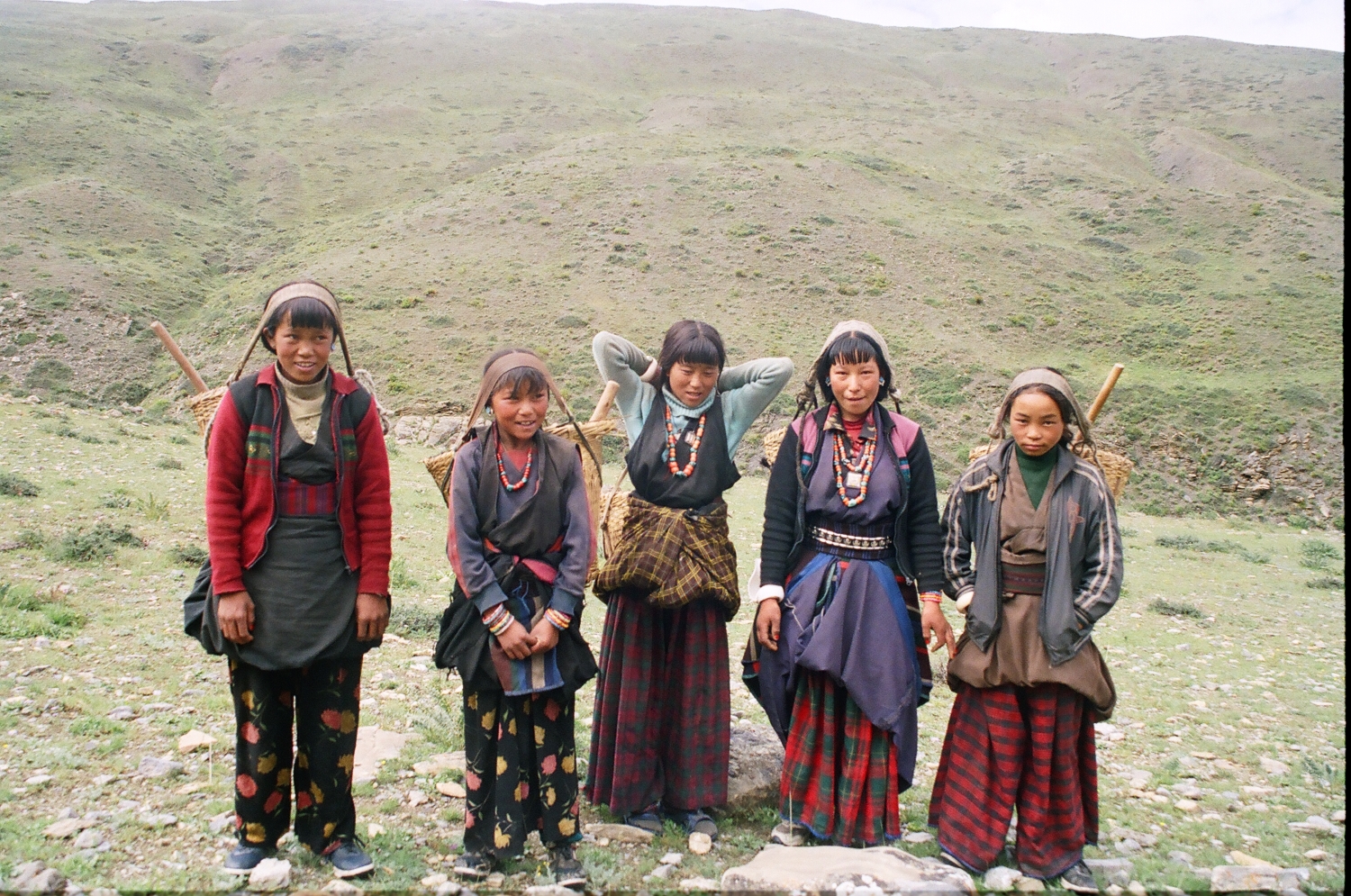
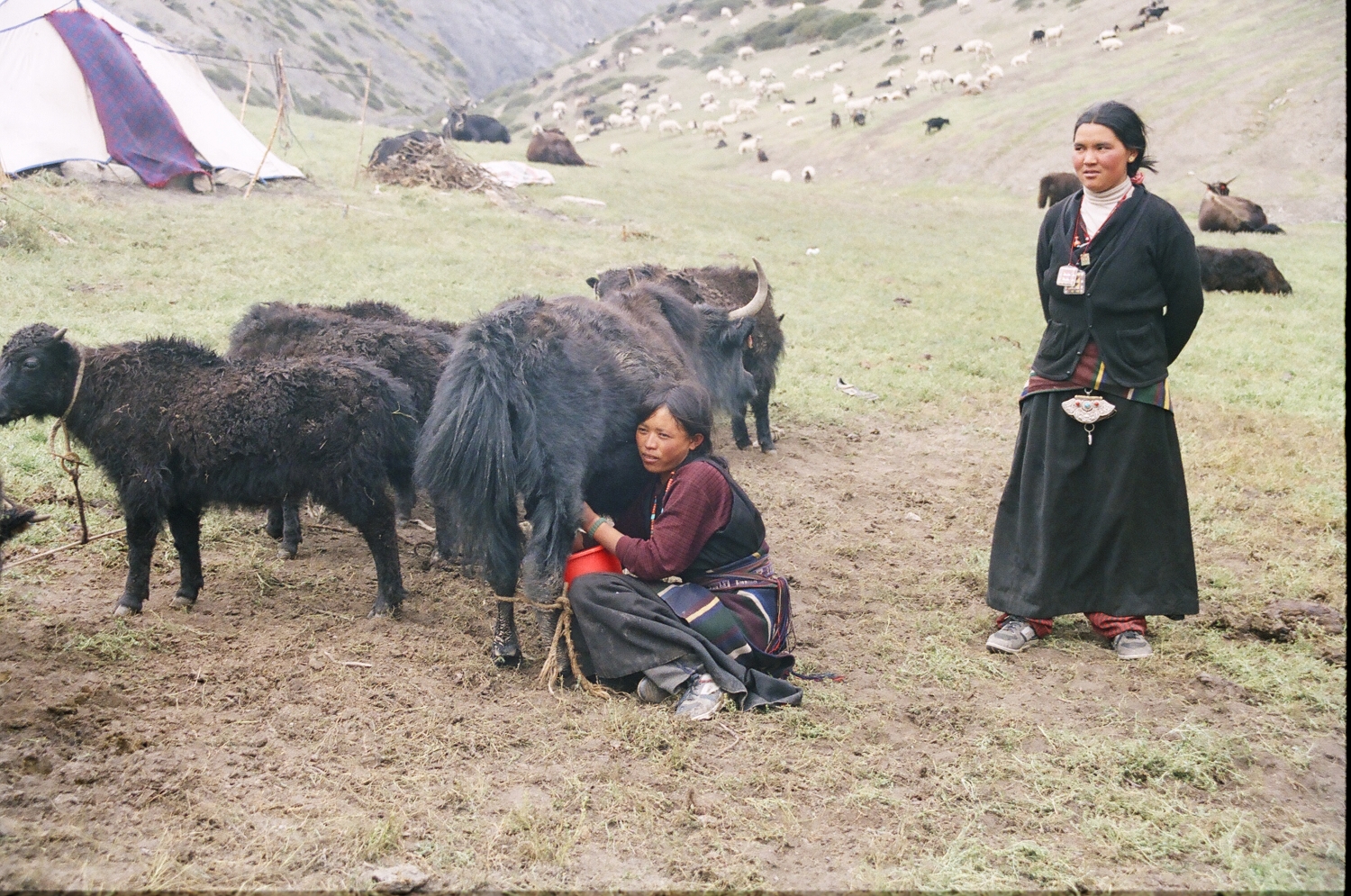
Trekking from Dolpo to Mustang offers the chance to see two of Nepal's most isolated, culturally and environmentally diverse regions. An incredible adventure, trekking from Upper Dolpo to Mustang involves passing high passes and the arid, dry terrain of the High Himalayas. Additionally, you will go through deep valleys, thick woods, traditional villages, distinctive scenery, and local customs influenced by Tibetan culture.
Shey Gompa, Lo Manthang, Shey Phoksundo Lake, and the Tiji Festival are among the main attractions. There are also chances to witness uncommon animals like snow leopards.

High altitudes and lengthy walking distances make this trek difficult, demanding a high level of stamina and fitness from the trekkers.

You will need the ACAP ( Annapurna Conservation Area  Project) for  Annapurna Conservation Area, Shey Phoksundo National Park Entry permit for Shey Phoksundo National Park, and a restricted area permit.

Local celebrations, traditional farming methods, and Bon Buddhist rites are examples of traditional customs. You will be surprised by the beauty of these traditional practices.

The overall cost of the Upper Dolpo to Mustang journey is influenced by a number of factors, including transportation, duration, permit, food, lodging, season, guides, support personnel, and personal preferences and demands. However, for the trip, the average cost per person is between $5,000 and $7,500. The cost may differ based on the size of the group and the services you have taken.

The length of the Upper Dolpo to Upper Mustang trek differs. In general, it takes 28 to 35 days to finish. Your degree of fitness, the amount of time you need to acclimate, and the itinerary you select will all affect how long it takes. The trip passes through the most isolated and under-traveled areas of Nepal, which include untamed vistas, steep mountain passes, and difficult terrain.

Crossing five high passes safely depends on a number of variables, including the season, the weather, the person's degree of fitness, expertise, the equipment they utilize, and the support and guidance staff. Dolpo Mustang journey through five of the Himalayas' highest passes is a difficult and dangerous task that needs careful preparation and planning. It's feasible to appreciate its charm without any issues if you adjust appropriately. For beginners, the Dolpo to Mustang walk is not advised.

Traveling from Dolpo to Mustang is an exciting adventure in Nepal's most isolated areas. All you have to do is get emotionally and physically ready. To avoid altitude sickness, familiarize yourself with the trail, the height rises, and the length of the walk, and spend a few days at a lower elevation before moving up to a higher one. To ensure a safe and enjoyable journey, use the appropriate trekking equipment, pack enough energizing snacks, drink plenty of water, and travel as lightly as you can with a local guide and porters.

Yes, every trekking guide has received training in basic first aid and knows how to handle problems related to altitude.

Send Review